Tuesday, 20 November 2018

Getting a Job in the Wine Business

The wine industry is a massive industry with several different career options to suit different types of people. Whether it is physically dealing with the wine or simply selling the wine – there is something out there for anyone. Here we have a list of the most common wine jobs, and what each entails. No matter what job you want, here is your first step: take a wine course at America’s top-rated wine school.

wine jobs: winery

In The Winery

Winemaker

One of the ultimate wine jobs. A winemaker is in charge of the complete production of the wine – from the time of the harvest, through to the production and the bottling. 

General requirements: most wineries require a Masters in Viticulture and previous experience in wine production, although some winemakers begin with an Advanced Sommelier Certification instead. Apart from that, the individual would require a distinct wine-palate to be able to make the best quality wines.

Common duties:

  • Regular checking of the vineyards and wine to monitor the readiness of grapes for picking and the wine for bottling.
  • Adding all wine additives and yeast – and monitoring the fermentation process.
  • Maintaining any records required for legal purposes.

Estimated salary: A winemaker could expect to make around $93,000 annually.

Assistant Winemaker

Winemaker assistants are the right hand of the winemaker; overseeing the smaller jobs the winemaker doesn’t have time to attend to. General requirements: Generally, most wineries require Bachelors in Science or Fermentation Science as well as having an immaculate wine palate.

Common duties:

  • Create daily work lists and schedules and train any staff involved in the wine-making process.
  • Monitor and uphold quality control of the wine and inventory.
  • Conduct regular lab analysis.
  • Help the winemaker monitor the wine throughout the process.

Estimated salary: An assistant winemaker could expect to earn $67,000 annually.

Cellar Master

A Cellar Master is in charge of the health, safety and cleanliness of the cellar and everyone involved. General requirements: Generally, most wineries require a Bachelor of Science in winemaking, agriculture, or engineering – and almost always require previous experience in the position.

Common duties:

  • Supervise the health and cleanliness of the cellars and staff.
  • Schedule and monitor maintenance and deep-cleaning of the cellar.
  • Manage the transport and shipping of the wine; and the conditions of the bottling and storage.

Estimated salary: A Cellar Master could expect to earn $40,000 annually.

Tasting Room Manager

Tasting room managers are in charge of overseeing day-to-day activities and staff members in the tasting room. General requirements: For this position, good wine knowledge is generally a requirement – as well as the ability to think on your feet, deal efficiently with complaints and managing staff members.

Common duties:

  • Ensuring staff are working effectively.
  • Ensuring target sales are made.
  • Dealing with any complaints.
  • Controlling stock and inventory and manage the daily opening and closing of the room.

Estimated salary: A Tasting Room Manager could expect to earn $36,000 annually.

wine jobs: restaurant

In the Restaurant

Sommelier

The primary job of a sommelier is to provide customers in a restaurant with a great recommendation of wine to be enjoyed with their meal. General requirements: Generally, a Sommelier Certificate is required to apply for this job, as well as a great palate and the ability to recognize quality wine.

Common duties:

  • Selecting a quality wine for the menu.
  • Purchasing wine and managing the inventory.
  • Training and informing waiting-staff about the wines.

Estimated salary: A qualified, entry-level Sommelier could expect to make around $60,000 annually.


wine jobs: wine shop

In the Wine Shop

Wine Shop Manager

A position as a wine shop manager would require you to do all the activities involved in running a small retail shop. General requirements: Usually No formal education is required, but wine knowledge and previous experience would be advised. For wine professionals in Pennsylvania: Get a Wine Job in PA

Common duties:

  • Keep control of inventory and order stock as needed.
  • Assist customers with purchases.
  • Negotiate and discuss any new wines or promotions for the store with Sales Reps.
  • Opening and closing of the store – as well as the general cleaning.

Estimated salary: Some wine stores are commission based – but the average salary is $45,000.

wine jobs: wine distribution

The Wine Supply Sector

Wine Sales Representative

Whether it is to large wholesalers or small boutique wine stores, a sales representative’s job is quite literally, to sell wine. General requirements: Formal education is rarely required – however, previous experience with a stable track record in sales is often a necessity.

Common duties:

  • Introducing stores to the brands of wine the rep represents.
  • Following up on existing customers about the wine sales.
  • Often times the delivery of the wine to the stores is required.
  • Offering promotions and tastings of the wines.

Estimated salary: A sales rep salary is largely commission based, but the average salary will range from $35,000 to $100,000 annually.

wine jobs: cooperage

Other Wine Jobs

Wine Journalist

A wine journalist’s job is to write about a certain type of wine, brand or winery. This could be freelance work, for a personal blog, or wine reviews in a magazine.In order to do this, a great palate and experience in the industry would push your credibility higher. The amount of money earned depends completely on the type of work, place and frequency of articles.

 Cooper

For those who are more hands-on, a wine cooper might just be the career to go into. A Cooper physically makes the barrels, buckets and containers used during wine production. An intense understanding of woodwork – and the ability to do the physical labor is essential.

So, whether you have a way with persuading people to purchase wine, or have a skill in reviewing wine, the wine industry has endless opportunities waiting. Just consider your current skills, the skills you need to get the job you want and do what you need to gain that experience!
It’s quite simple – and in this industry – truly rewarding.


The post Getting a Job in the Wine Business appeared first on Wine School of Philadelphia.


source https://www.vinology.com/wine-jobs/

Monday, 19 November 2018

Wine Reviews: Weekly Mini Round-Up For November 19, 2018

I taste a bunch-o-wine (technical term for more than most people). So each week, I share some of my wine reviews (mostly from samples) and tasting notes in a “mini-review” format.

They are meant to be quirky, fun, and (mostly) easily-digestible reviews of (mostly) currently available wines (click here for the skinny on how to read them), and are presented links to help you find them, so that you can try them out for yourself. Cheers!


Grab The 1WineDude.com Tasting Guide and start getting more out of every glass of wine today!

Shop Wine Products at Amazon.com

Copyright © 2016. Originally at Wine Reviews: Weekly Mini Round-Up For November 19, 2018 from 1WineDude.com - for personal, non-commercial use only. Cheers!

source http://www.1winedude.com/wine-reviews-weekly-mini-round-up-for-november-19-2018/

Wednesday, 14 November 2018

Not-So-Hidden Tuscany (Spotlight On Orcia)

[ Editor’s note: here’s one more from the vault of pieces sent to a magazine that didbn’t publish it or pay me; I’m running it here so that it’s not lost to posterity. Enjoy! ]

Not-So-Hidden Tuscany

One of Tuscany’s most dynamic – and endangered – wine regions is hiding in plain sight

Orcia views 1

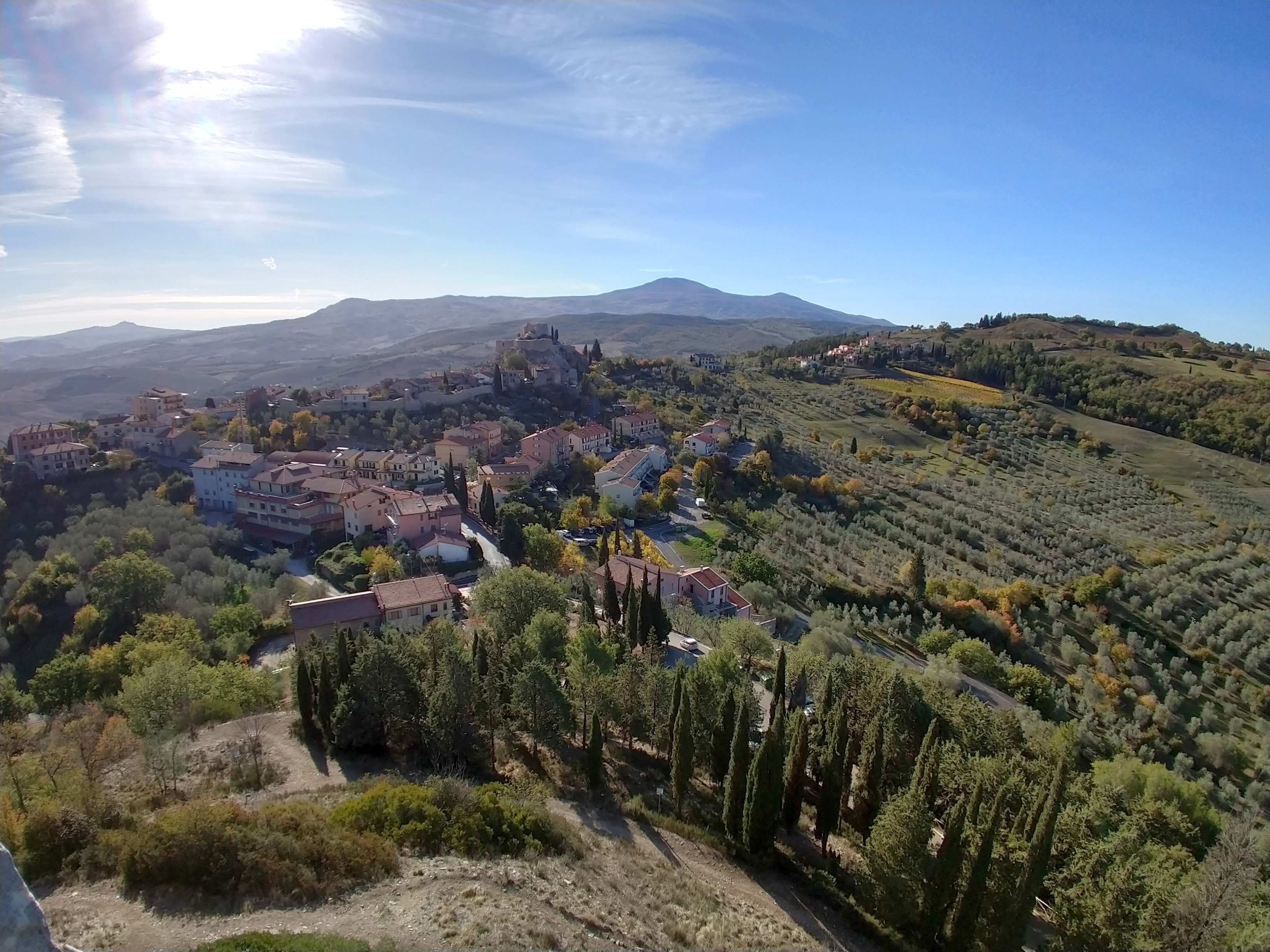
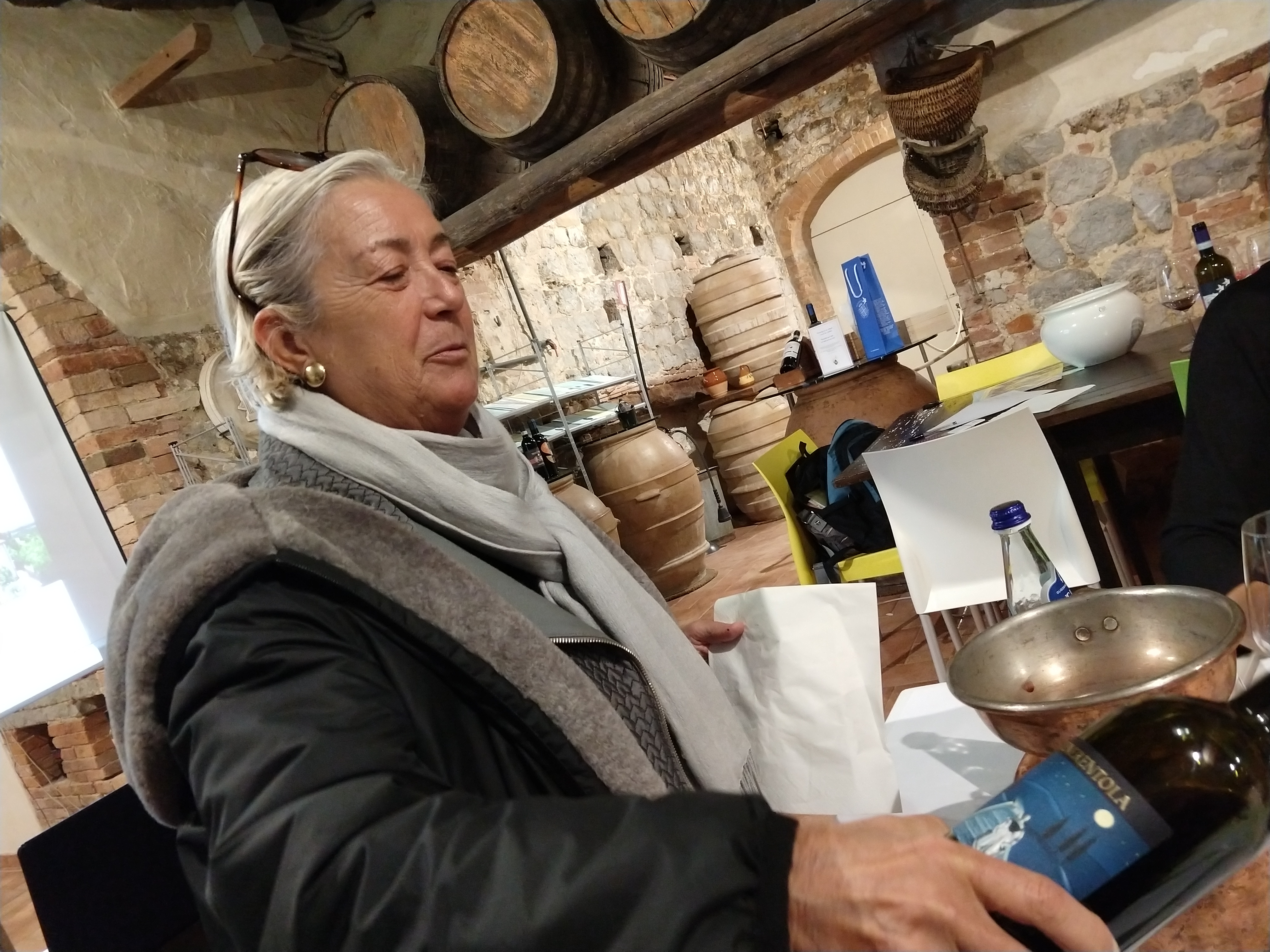
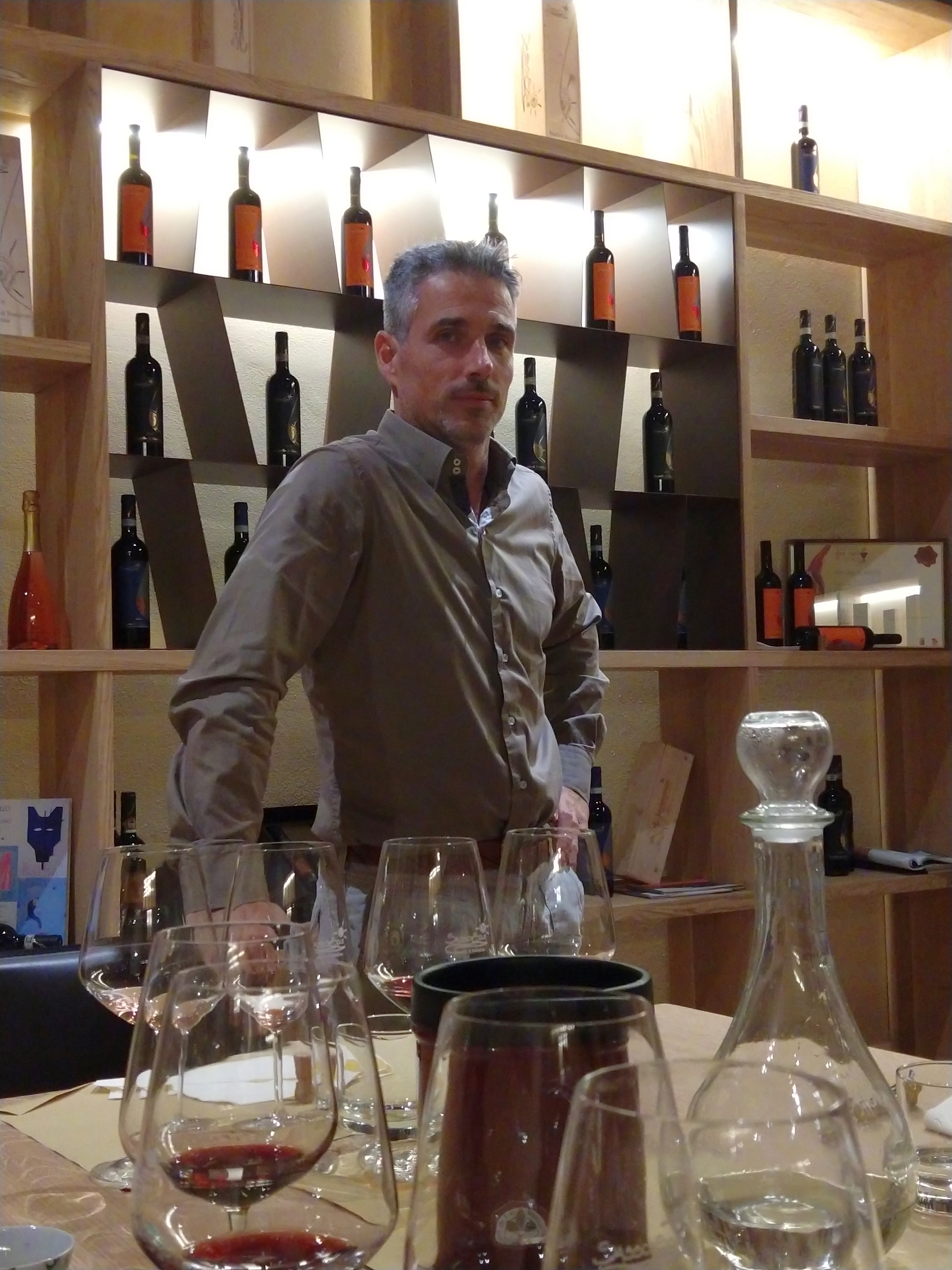
Donatella Cinelli Colombini could be your Italian grandmother. Affable, generous, and quick-witted, Colombini is the matriarch of Fattoria del Colle, her family estate in the almost unbelievably charming area of Tuscany’s Trequanda, replete with accommodations on an estate that dates back to the late 1500s, cooking classes, three pool, a spa, and an upscale-farmhouse restaurant. She also also oversees production of the Tuscan wine label that bears her name.

But Colombini has another job: in some ways, she’s trying to save the future of what the Consorzio del vino Orcia calls “the most beautiful wine in the world.”

Donatella Cinelli Colombini

Donatella Cinelli Colombini

“The landscape here is a perfect harmony between history, man, and nature,” she remarks. “We have to preserve that. Every month, every wine producer here receives a call from a realtor asking them to sell.”

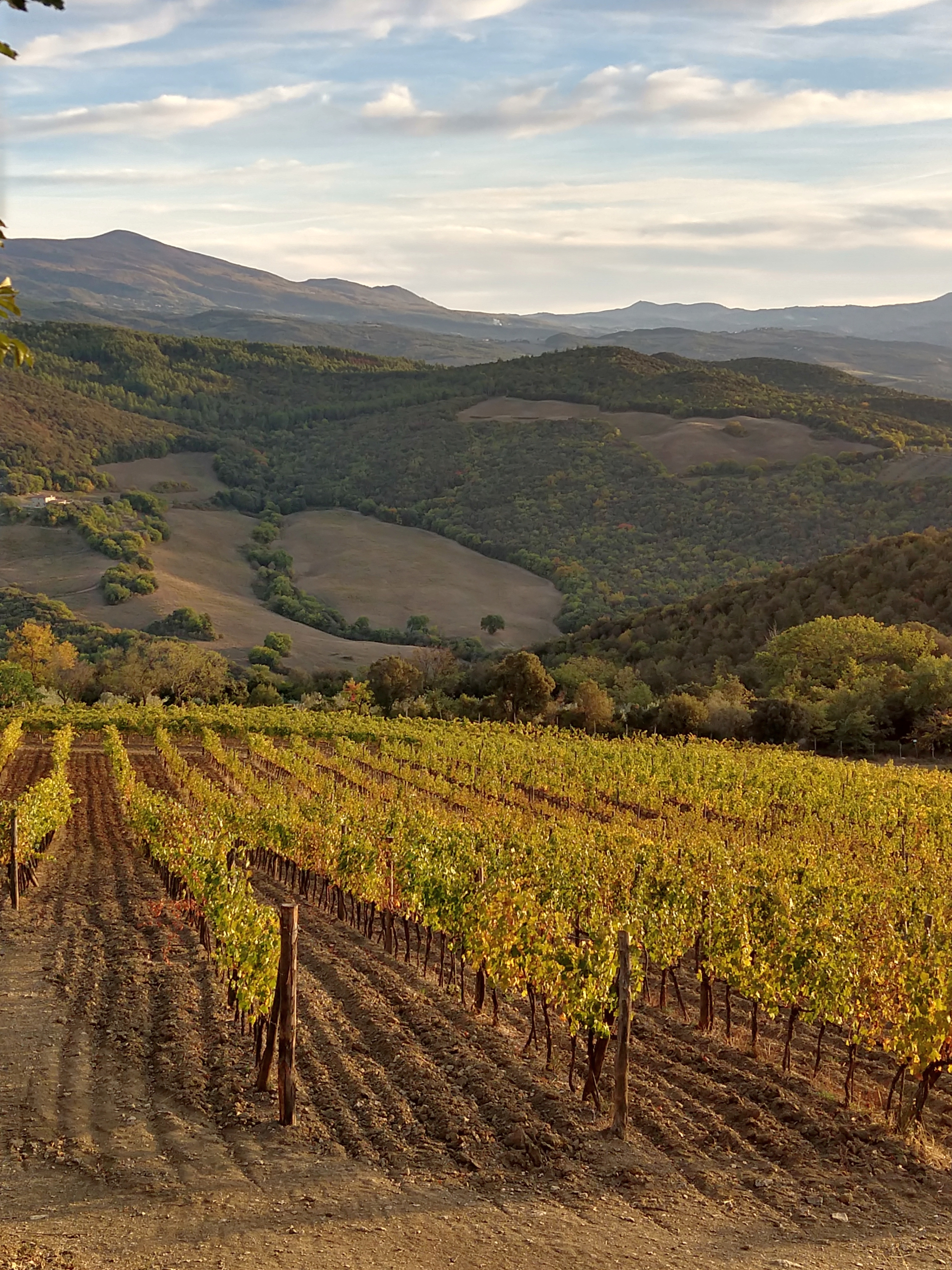
While you will almost certainly have heard of the winemaking gems of Montalcino and Montepulciano, you probably aren’t familiar with Orcia, the winemaking area that sits between them near Tuscany’s southern tip. The problem isn’t that Orcia’s twelve municipalities, formally recognized as a wine region in 2000, don’t make excellent wine; in many cases, Orcia’s reds rival those of its more famous neighbors, planted on vineyards that have been literally designed from the ground up for producing small quantities of high quality fine wine grapes, primarily Tuscany’s “native son” of Sangiovese. The problem is that Orcia is almost too amazing of a place in and of itself.

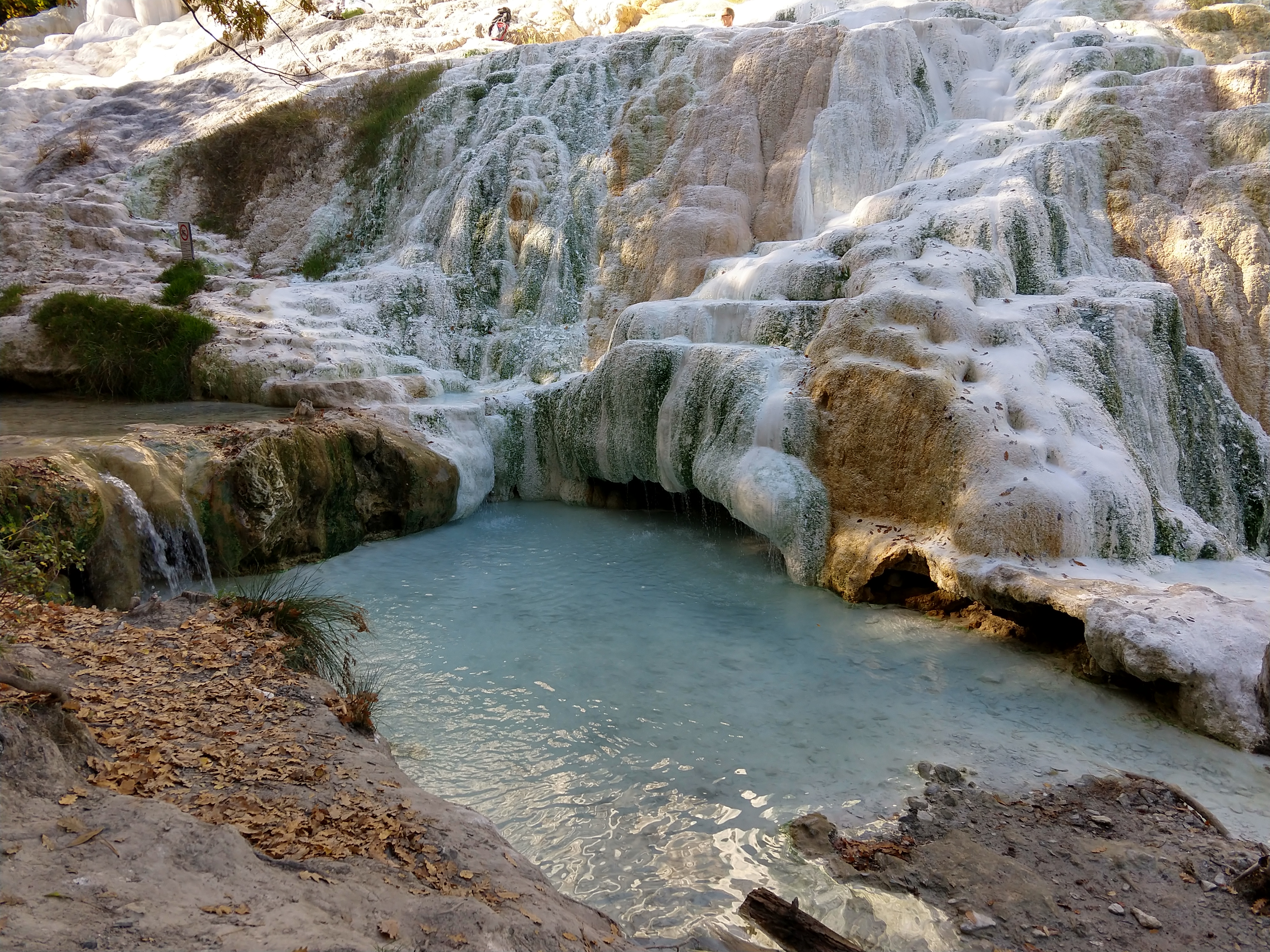
Thermal baths in Orcia

Thermal baths in Orcia

Orcia boats the kind of beauty that makes you think that you’ve stepped directly into a scene from Under the Tuscan Sun. Think sun-drenched hillsides lined with cypresses, dotted with tiny ancient towns like Pienza (housing a terracotta museum), terme thermal spas like those in S. Casciano dei Bagni and S. Quirico d’Orcia (yes, some of the spa treatments involve wine), and no shortage of gorgeous castle tower ruins along the routes between them all, replete with deep history and past political intrigue (the region once played host to the duke of Tuscany, who ordered the draining of the the valley in the 1700s to spur agricultural growth, but also used his time there to liase with his mistress). Orcia has seen travelers since the time of the Etruscans, and its castle and fortress ruins are a testament to the popularity of the routes within the area, where bandit attacks once were frequent. It has hosted religious pilgrims, popes, poets, archbishops, mercenaries, dukes, the Medici clan, and even Charlemagne. The landscape has remained relatively unchanged for the last four hundred years…

Terre Senesi vineyards

Vineyard views at Terre Senesi

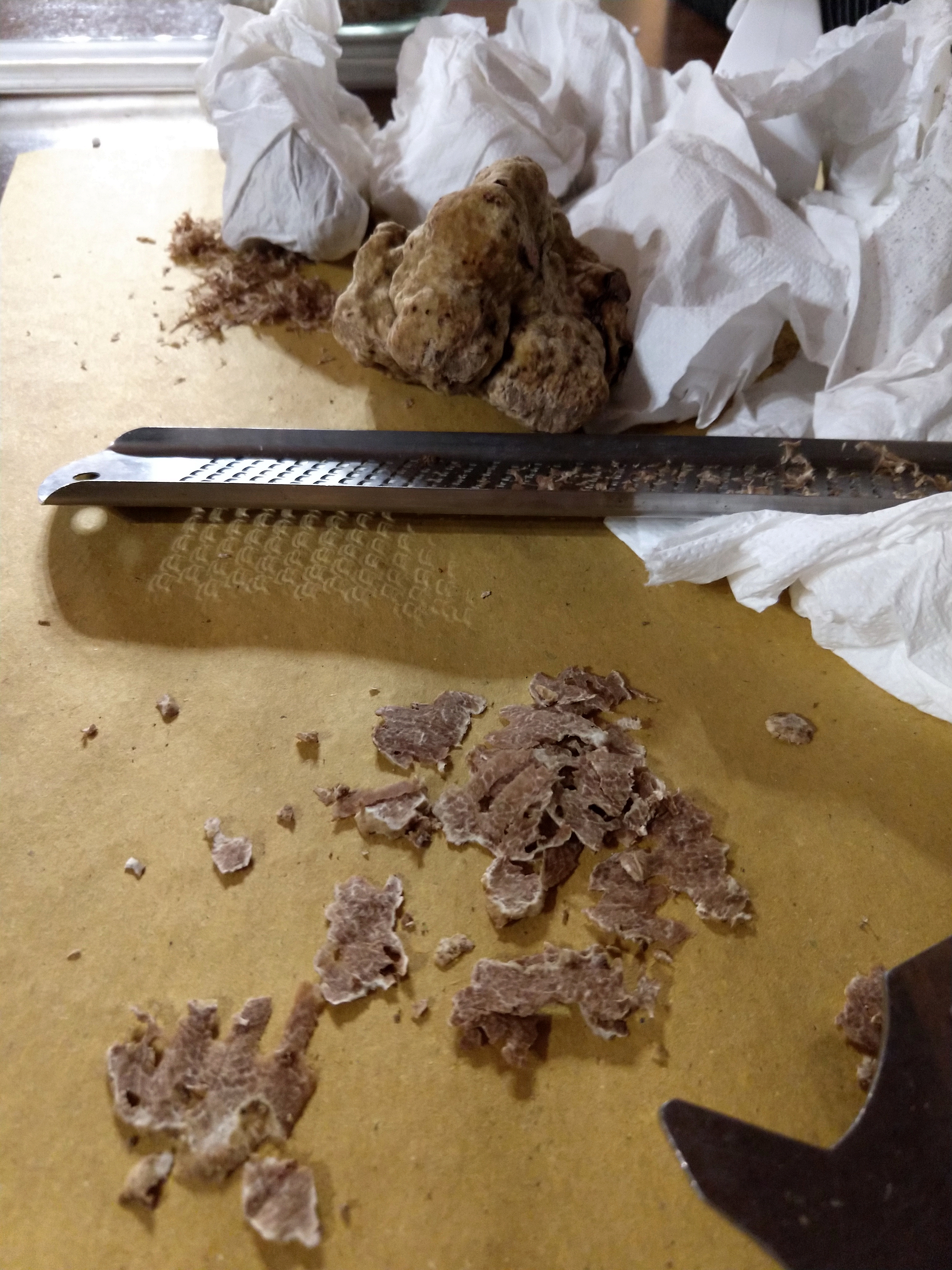
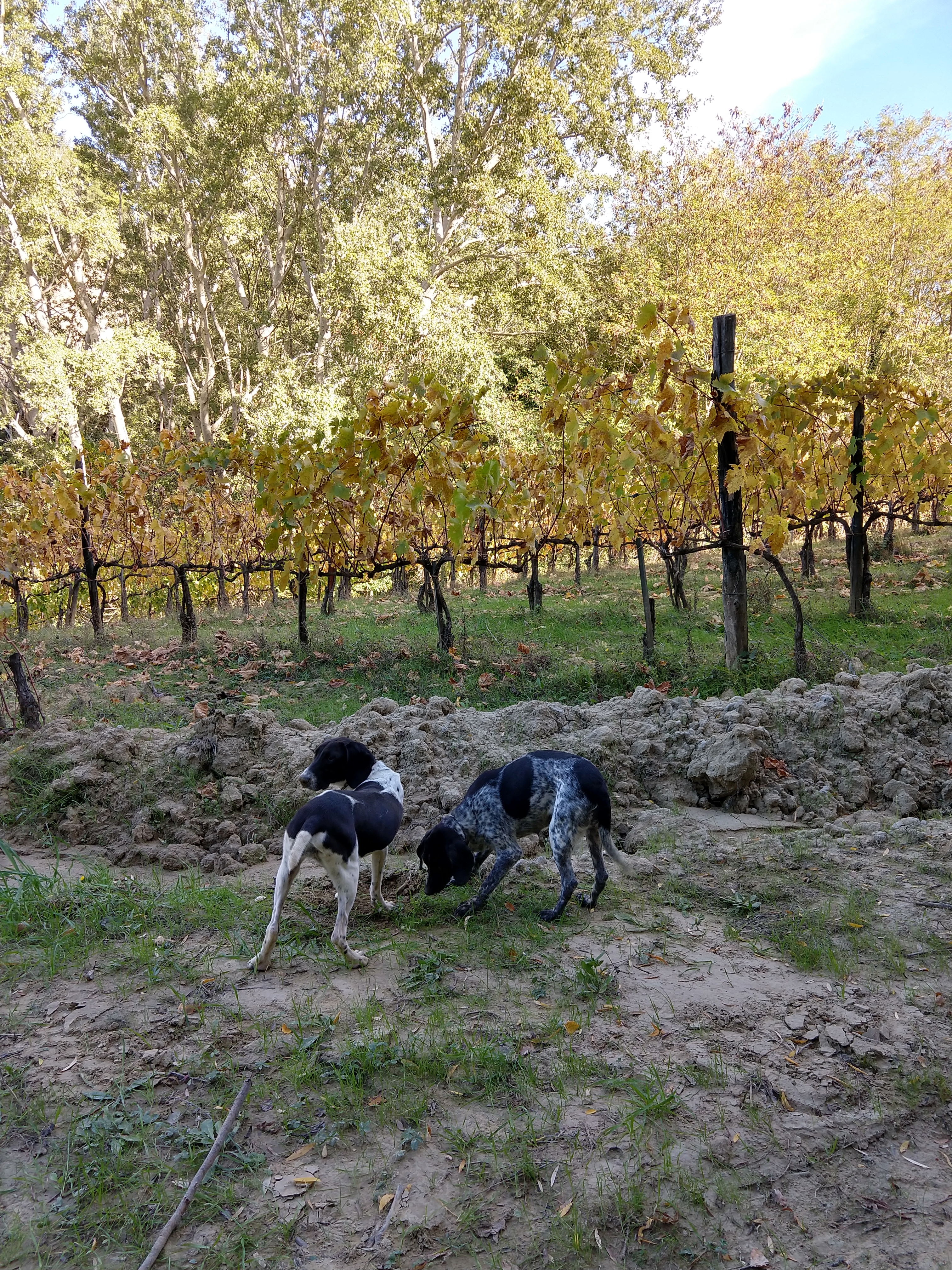
Given its embarrassment of natural riches, it’s not surprising that Orcia now sees nearly one and half million tourists per year. Agritourism is big business in Orcia, where visitors can experience firsthand the direct connection to the land and the historical perspective of farmers who, as local winemaker Roberto Mascelloni puts it, “produced everything for themselves.” Most of the wine purveyors in Orcia also make boutique quantities of olive oil. You can find handmade pecorino cheese production (which dates back to prehistoric times in the area), such as that offered by the Podere Il Casale farm (yes, some of the cheeses involve wine grapes). Orcia boats a small but booming white truffle economy, which is the focus of lunch-and-tasting tours offered by winemakers and truffle hunters such as Loghis Farm’s Valentino Berni, who started farming truffles with his family’s pets when he was six (“I loved the relationship with the dogs” he notes, in a characteristically charming Tuscan way).

Truffles at Fattoria del Colle

Truffles at Fattoria del Colle

Truffles are so important to the area that San Giovanni d’Asso has a small museum and an annual festival devoted entirely to the expensive subterranean mushroom. There are enough such quaint spots in Orcia to almost lose count of them all, and we haven’t even mentioned the stunning views available from the region’s various hillside medieval ruins, Orcia’s saffron production, its several art/culture festivals, or the area’s innumerable possibilities for biking and hiking tours.

Terme in Orcia

Terme in Orcia

The main challenge facing the region’s wine producers is that, despite the high quality of their wines and their focus on organic, sustainable viticulture, Orcia’s status is the wine world hasn’t kept pace with its notability as a tourist destination. Orcia is dwarfed in this regard by Montalcino and Montepulciano, in terms of recognition and in availability; only about two hundred fifty thousand bottles of wine per year carry an Orcia designation on the label. Most of Orcia’s sixty wine producers are tiny in scope, and so are catering to tourism, local restaurants, and olive oil production to help them stay in financially in the black.

The irony is that Orcia’s success has garnered so much interest from businesses and the wealthy that one of its now key components – its excellent and diverse wine scene – is almost endangered. In many ways, Orcia’s wines are well deserving of the attention of any Italian wine lover; they offer authentic alternatives to the more ubiquitous (and too often industrialized) Chianti on one end, and to the pricey Montalcino on the other.

Ultimately, it’s the unique connection to Orcia’s land, foods, and people that can draw wine lovers in and, quite possibly, give you a new favorite go-to Tuscan sipper. “Each bottle,” notes Colombini, “gives you a story of this wonderful territory.” Here are a few of those stories.

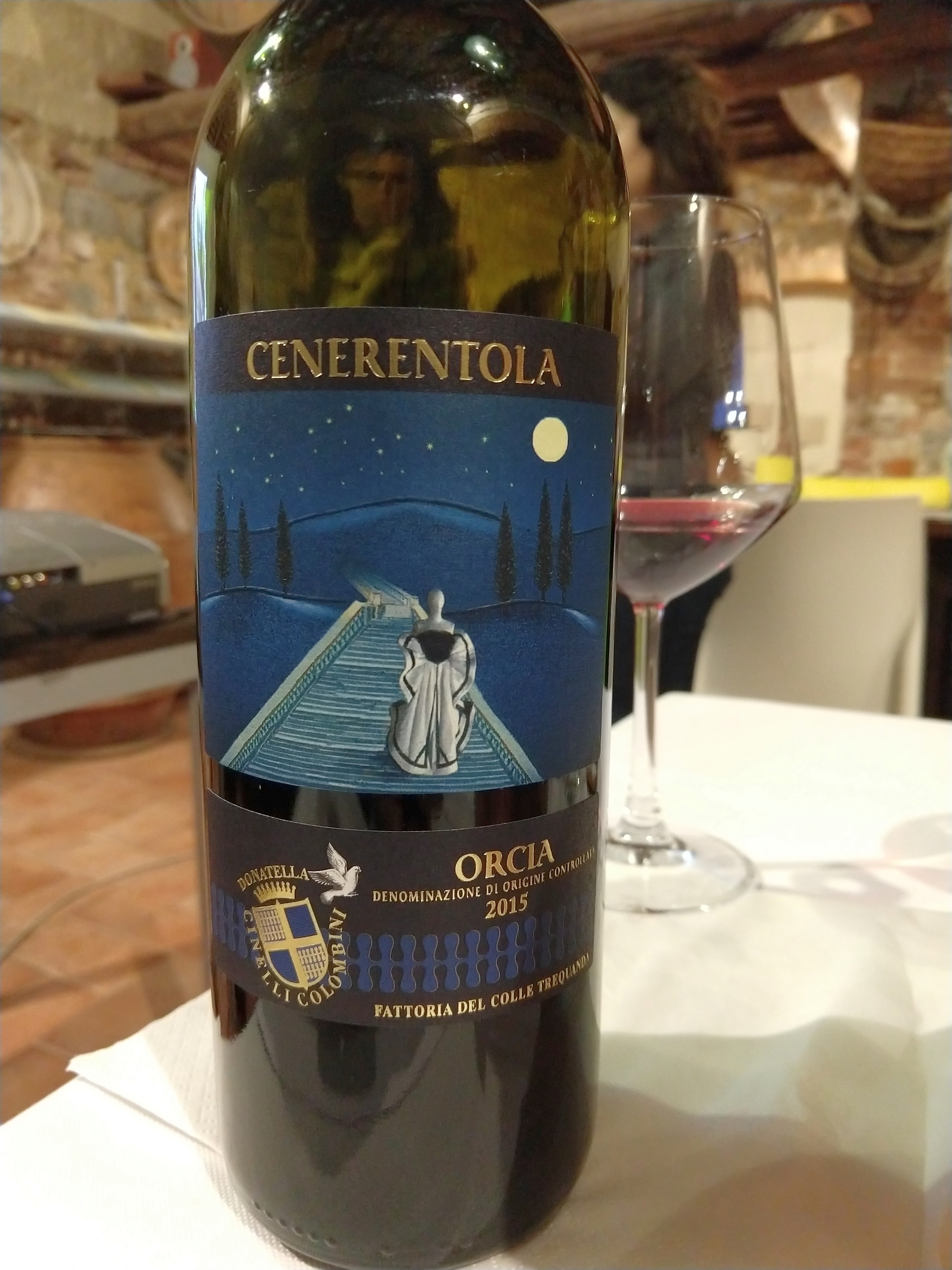
Donatella Cirelli Columbini Cenerentola

Donatella Cinelli Colombini 2015 “Cenerentola” Rosso

The Cinderella of this wine’s name refers, in part, to the round-leafed grape Foglia Tonda, which makes up thirty-five percent of this blend (the rest being Sangiovese). For nearly a century, Foglia Tonda was all but abandoned in Tuscany, due its difficulty to ripen. Cinelli helped to lead a charge to bring the grape back, and there are now about twenty hectares of the grape planted. Cinelli describes this blend as “well-married,” and her take is spot-on. The Sangiovese brings delicate floral notes, tart dark cherry fruit flavors, and earthiness, while the Foglia Tonda adds unique brambly spice and black licorice tones.

Loghi - truffle dogs

Truffle hunting at Loghi

Loghi 2013 “Cinabro” Rosso

The fanciful name is an homage to Loghi Farm’s vineyard soils, on which the grapes for this Sangiovese and Colorino blend are grown. While much about Loghi’s production and truffle farming harken back to rustic times, this is a more modern take on Tuscan red wines. It sports plummy, juicy cherry fruit flavors, and aromas of orange peel, vanilla, and dried herbs. It’s fresh, vibrant, and almost sinewy in its powerful mouthfeel.

Sasso di Sole's Roberto Terzuoli

Sasso di Sole’s Roberto Terzuoli

Sasso di Sole 2016 Rosso

Sasso di Sole is in an enviable spot, even by Tuscan standards; not only do they have breathtaking views of their UNESCO area hillside vineyards, but their organically-farmed property overlaps the northeastern edge of Montalcino. This gives them the luxury of being able to use either the Montalcino or Orcia designation on their labels. In contrast to most of Orcia’s other producers, Sasso di Sole use their youngest vines and shortest wood aging period for their Orcia label, resulting in a supple, vibrant, tangy, and fruity Sangiovese that’s ready to drink now. The hints of tobacco spice and rose petals are an added bonus.


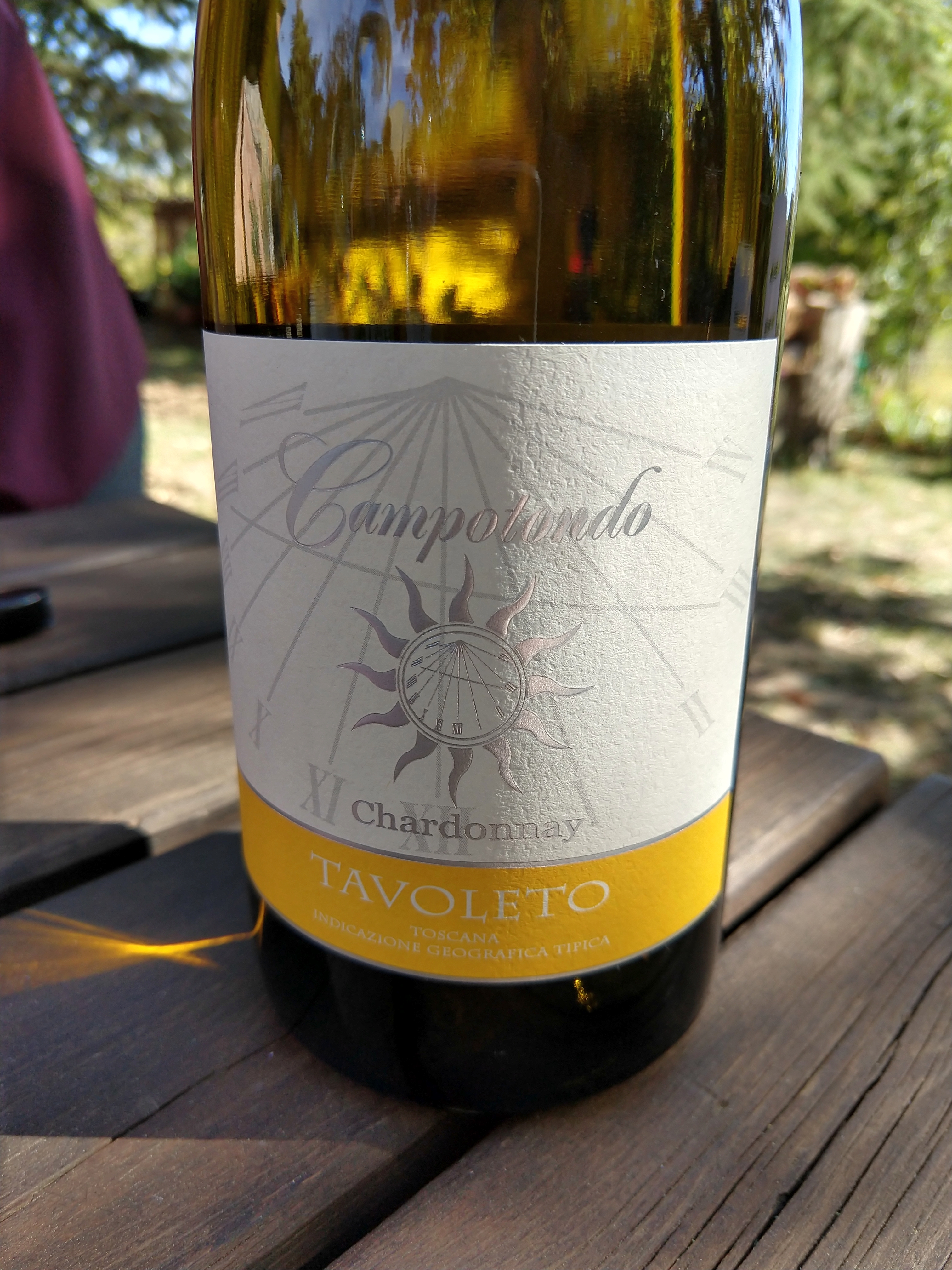
Campotondo 2015 “Tavoleto”

Campotondo ChardonnayThis tiny outfit (producing only eight thousand bottles of wine per year) sits near an extinct volcano near the small hamlet of Campiglia d’Orcia. It’s helmed by Paolo Campotondo, who hand-tends Orcia’s only goblet-trained vineyards (a recommendation by the elderly locals, who recalled similar vine training systems used near mountains in France). The unique training helps to protect the vines, planted nearly five hundred meters above sea level, from the strong winds of the area, and helps to retain warmth from the soil and concentrate the grapes’ flavors. Paolo’s daughter Helena inspired his focus on organic farming principles: “my father says, ‘my daughter is the first consumer of my product, so I want it to be healthy!’” Uniquely, their Tavoleto is a white made entirely from Chardonnay, and it’s beguiling with flavor and aroma layers of peach, white flowers, tropical fruits, toast, wet stones, ripe yellow apples, and ginger spice.


Campotondo 2013 “Il Toco”

One of the specialties of Campotondo is a focus on Tuscany’s indigenous red grape Colorino, which makes up ten percent of this blend with Sangiovese. This is a full-on, Brunello-style red, with dense black cherry fruit flavors, intense aromas of dried herbs, orange peel, wood and cigar spices, balsamic, and dried rose petals. You’ll want a healthy portion of wild boar ragu pasta to go with this.

Poggio Grande horses

Racing horses at Poggio Grande

Poggio Grande 2015 Syrah

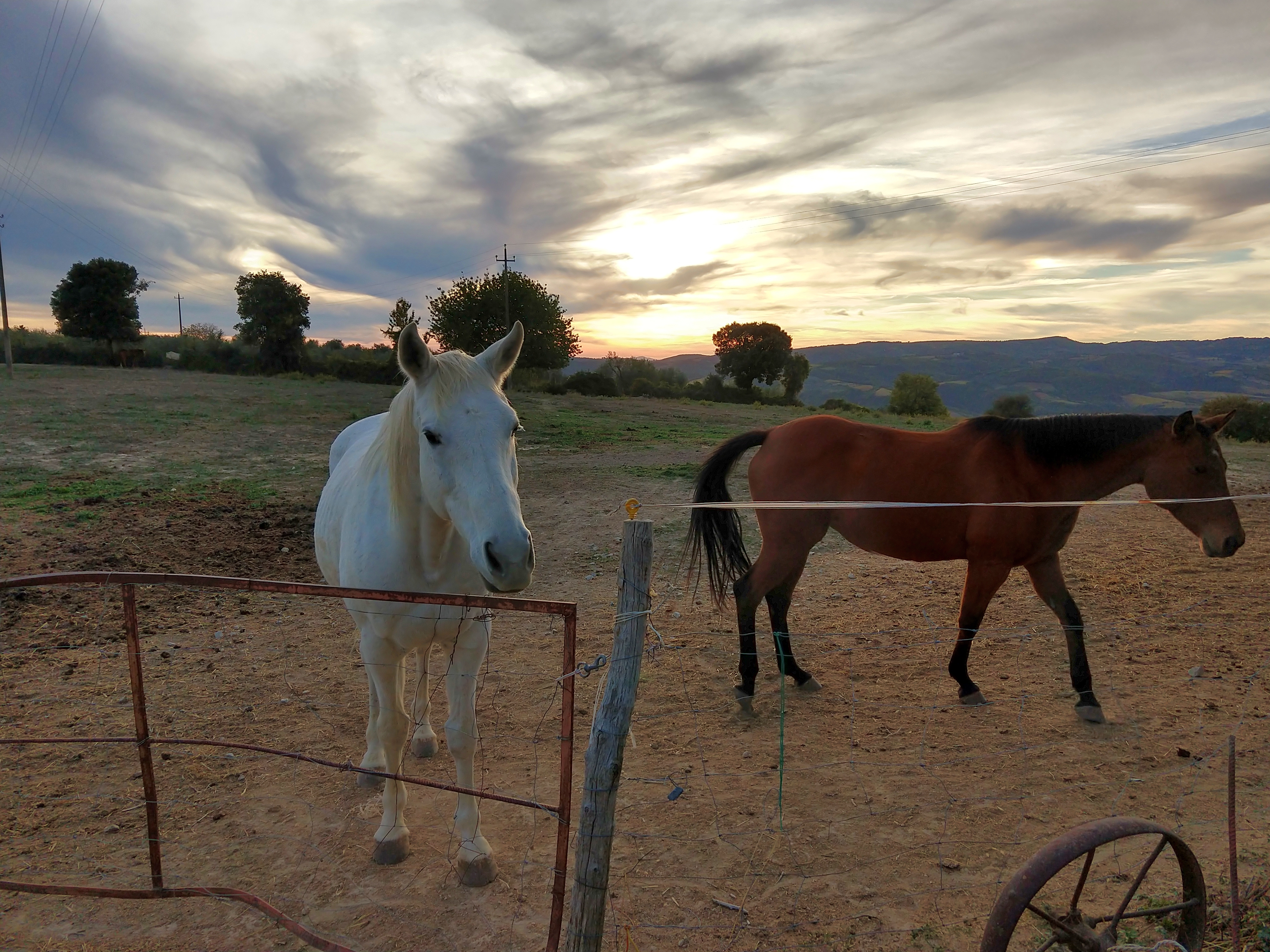
Luca Zamperini seems to have a permanent smile etched onto his face, and you might, too, if you lived his life. His Poggio Grande winery started as a hobby seventeen years ago, and now produces twenty-five thousand bottles of wine per year. It includes sweeping views of the area near Ripa d’Orcia, and is the home to horses that run in Sienna’s famed and ancient Paleo race. Zamperini has a love of French Rhone wines, and so auspiciously decided to try out Syrah, which has taken splendidly to the Orcia climate and shows off the region’s diversity. Like Poggio Grande’s horses, there’s a tamed wildness to this focused and delicious wine, which is mineral, savory, plummy, and juicy, with hints of wild herbs and even game meat.


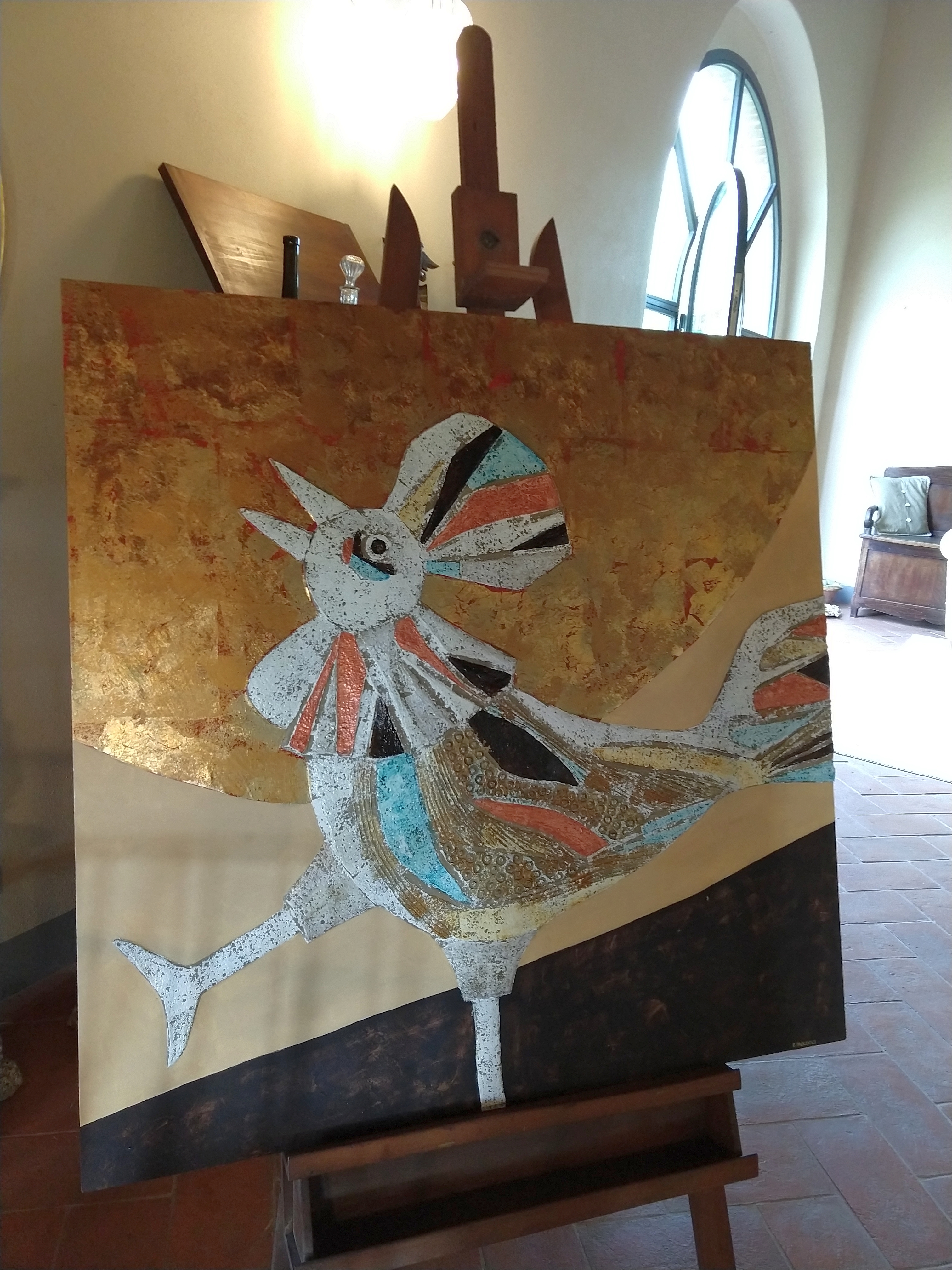
Podere Albiano - Enrico Paolucci artwork

Enrico Paolucci artwork at Podere Albiano

Podere Albiano 2011 “Tribolo” Sangiovese


Alberto Turri and Anna Becheri moved from the banking and media worlds in Milan to a picturesque spot in the heart of Orcia’s terracotta country, producing wine, truffles, and twenty thousand bottles of wine per year (with whimsical labels designed by local artist Enrico Paolucci)as a labor of love. They make for an unassuming couple, who have very clear ideas of what they want from their wines, and the results are excellent. Their Tribolo Sangiovese is layered, supple, and sexy, but despite its modern appeal doesn’t lack for structure, vivacity, complexity, or precision.


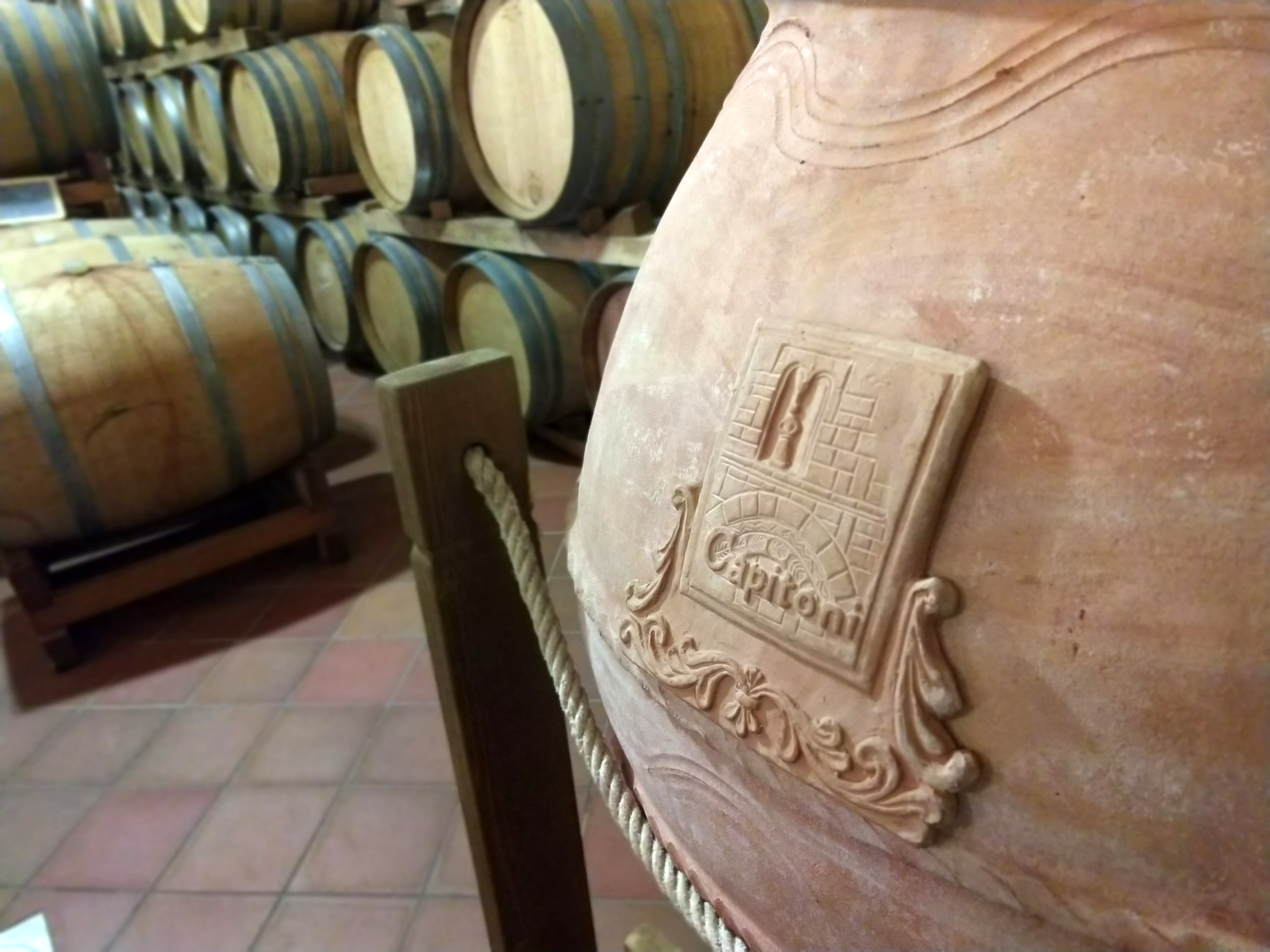
Capitoni amphorae

Capitoni amphorae

Capitoni 2016 “Troccolone” Sangiovese

From five hectares of hand-worked vines comes one of the most unique Sangiovese offerings that you’re likely to ever encounter. The Capitoni family ages this particular wine in the region’s famed terracotta amphorae, and using what they describe as “slow and low” fermentation (taking longer than normal, and at lower temperatures). The result is a rustic, intriguing take on the purity of Sangiovese, highlighting its bright, tart red-berry and cherry flavors, its vibrant texture, and its dark tobacco spice notes.


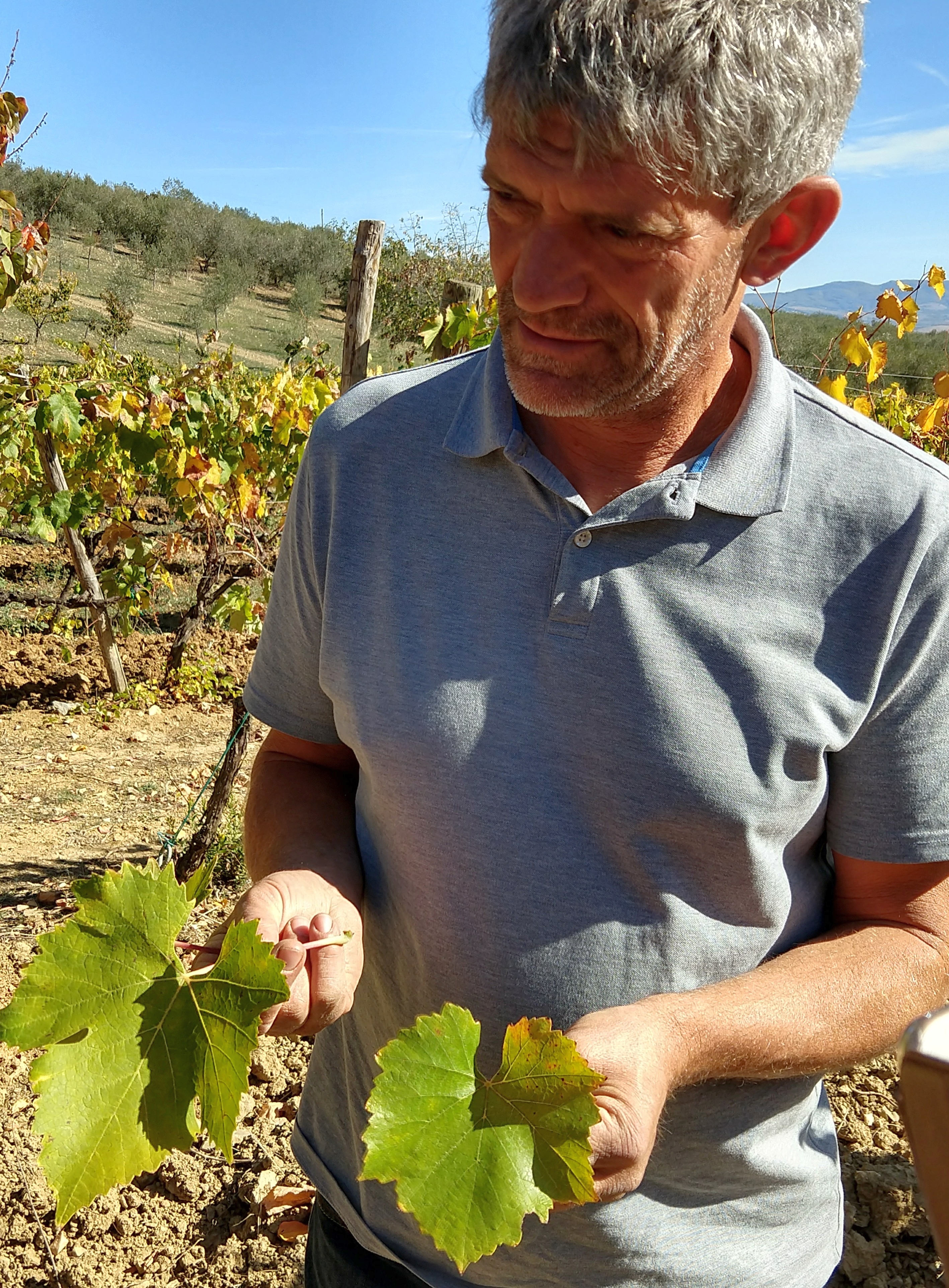
Roberto Mascelloni and Foglia Tonda leaf

Roberto Mascelloni shows a Foglia Tonda leaf in his vineyards

Mascelloni Family Estate 2015 “01” Sangiovese

The amiable Roberto Mascelloni is a stickler for old-school farming, producing spicy and herbal olive oil and organically farmed wines on his family estate in Castiglione d’Orcia. A former archer in a regional festival, “01” marks the last year that he won the archery tournament (“and then I retired”). This wine sports an intensely purple color for Sangiovese, and it strikes a great balance between that grape’s herbal, spicy, and rustic side, and its elegant, lively, and supple side.

Terre Senesi's Antonio Rovito

Terre Senesi’s Antonio Rovito

Val d’Orcia Terre Senesi 2010 “Ripario” Rosso

Valdorcia Terre Senesi winery’s Antonio Rovito and Gabriella Ginetti seems to always be laughing at something. You’d be pretty happy too, if your daily view included stunning views of the Orcia gorge, Ripa d’Orcia woodland wildlife sanctuary, and Mount Amiata. Terre Senesi began with olive oil production in 1998, and started producing wine in 2010. Their Ripario is a Sangiovese blended with a small amount of Cabernet Sauvignon, and aged in new French oak barrels. While the result is on the woody side, the wine has enough complexity in it black licorice and black cherry fruit flavors, dried herb and balsamic notes, and palate freshness to age well (and pair well with a good steak off the grill).


Cheers!

Grab The 1WineDude.com Tasting Guide and start getting more out of every glass of wine today!

Shop Wine Products at Amazon.com

Copyright © 2016. Originally at Not-So-Hidden Tuscany (Spotlight On Orcia) from 1WineDude.com - for personal, non-commercial use only. Cheers!

source http://www.1winedude.com/not-so-hidden-tuscany-spotlight-on-orcia/

Tuesday, 13 November 2018

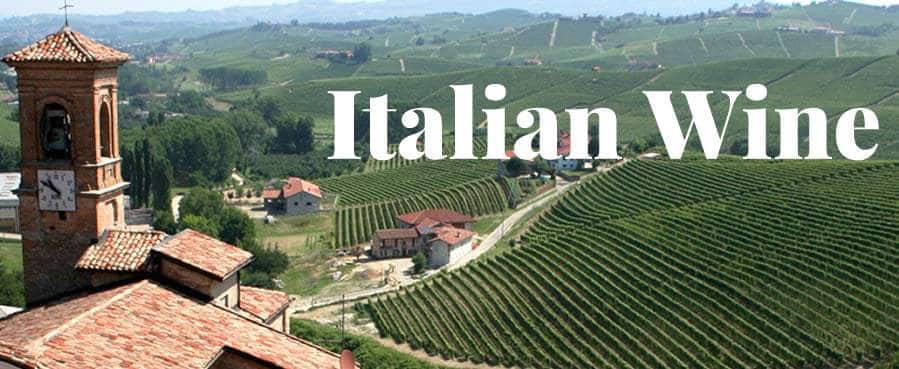
Italian Wine Primer

Italy has a rich, deep history with wine – dating back thousands of years. Being the biggest producers of wine in the world, Italian wines are kept at a consistently immaculate standard. It is one of the many reasons that wine from the Italian regions is so widely respected.

Page Contents

  1.  Available Classes
  2. Wine Regions of Italy
  3. Italian Grapes


Italian Wine Classes

A selection of the top wine classes being offered in Italian wine.

Italian Wine Specialist

Italian Wine Specialist™

Monday, November 19 from 7:30 pm to 9:30 pm
4 Seat(s) Available
Italy vs Greece - Italy vs Greece

Italy vs Greece

Saturday, December 1 from 4:00 pm to 6:00 pm
0 Seat(s) Available
italy vs france

Italy versus France

Friday, December 14 from 7:30 pm to 9:30 pm
0 Seat(s) Available
Barolo & Beyond

Barolo & Beyond

Thu, January 3, 2019 from 7:30 pm to 9:30 pm
18 Seat(s) Available
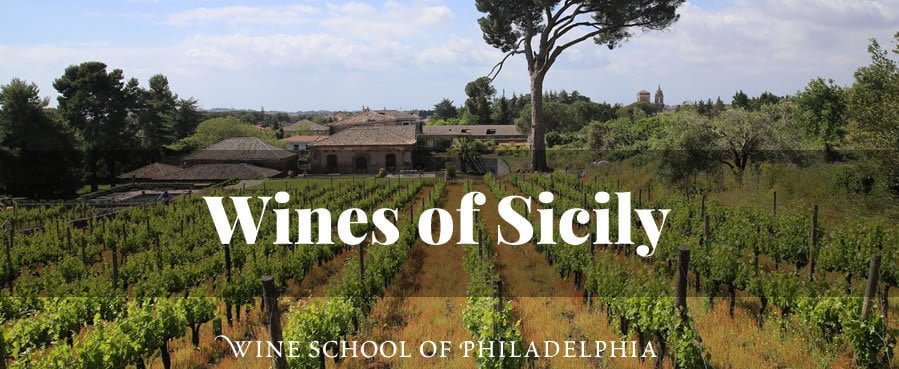
Wines of Sicily

Wines of Sicily

Fri, January 11, 2019 from 7:30 pm to 9:30 pm
20 Seat(s) Available
Italy vs Spain Wine Class

Italy vs Spain

Thu, February 7, 2019 from 7:30 pm to 9:30 pm
18 Seat(s) Available
Italian Wine

Italian Wine Class

Thu, March 14, 2019 from 7:30 pm to 9:30 pm
22 Seat(s) Available
italy vs france

Italy VS France

Sat, March 30, 2019 from 4:00 pm to 6:00 pm
22 Seat(s) Available

Italian Wine Regions

Tuscany

Not only is it Italy’s most mesmerizing region, but it is also the oldest wine-growing region.  One of the region’s most significant wine-related stories is about their “Super-Tuscan.” In Tuscany, grape varietals that are not native-Italian are blended and called a “Super-Tuscan.” The major varietals used for this blend are Merlot, Syrah and Cabernet Sauvignon. Along with the Super Tuscan grapes, Tuscany also grows indigenous cultivars like Canaiolo, Colorino, and Trebbiano.

Sicily

Although greatly appreciated today, Sicilian wine was not always beloved by sommeliers. Because of the rich soil, high altitudes, and dry winds, the island’s vineyards can produce massive tonnage of grapes per acres. For decades, winemakers opted for quantity over quality, and the wines produced were of mediocre quality wines and left Sicily with a poorer reputation for this region deserved. With the help of winemaking legends like Giusto Occhipinti , Sicily managed to turn their reputation around. Today, they produce beautiful and magical wines from Frappato, Mascalese, and Nero d’Avola. They also are making white wines from Moscato Bianco and Grillo. There are also significant plantings of classic French varietals, including excellent Cabernet Sauvignon and Chardonnay.

Trentino-Alto Adige

In the Italian Northeast, you will find utter beauty in this unheard-of wine region. Because of the bordering countries, you can expect to find Italian, German and Ladin being spoken and also printed on the wine labels. The main varietals grown here are Pinot Grigio, Gewurztraminer, Chardonnay, Schiava, Lagrein, and Pinot Blanc. Although it rarely rains, this regions cool climate and rich soils creates almost perfect conditions for vines to flourish. Wine styles include zippy and mineral-driven white wines, which is one of the most common choices for the modern American wine drinker. There is also a growing movement toward natural wines, with some winemakers eschewing modernism for ancient techniques. One of the greatest examples of that trend are the amphora-aged orange wines that are all the rage with Master Sommeliers.

Abruzzo

Abruzzo has one of Italy’s most contested identities. Right along the coastline, this region is extremely mountainous and lush – with most of it being nature reserves and forests. Although the region wasn’t acknowledged at all as a respectable region, it has produced fine wine at a small scale for decades. Of particular note is the classic Italian rosé, Cerasuolo d’Abruzzo Now, the grapes grown here are consumed across Europe. In fact, wine experts claim that Abruzzo is the birthplace of many grape varieties now flourishing in Northern Italy and France.

Umbria

Although this region produces a fraction of the wine of competing regions, Umbria wines have become highly respected and noticed, especially the Sagrantino from Montefalco. Land-locked and situated east of Tuscany, the wines produced here tend to be fuller-bodied and age extremely well. Some of this area’s other signature grapes include Sangiovese, Grechetto, Merlot, and Trebbiano.

Sardinia

Sardinia might seem like a spitting image of Sicily – considering it’s an Italian island of a similar size – but this island has quite the unique portfolio. For one, it’s the only region in Italy that produces –and consumes– more beer than wine. Despite that, this region has some exquisite and unique varieties including Torbato, Nasco, Monica, Semidano and Vermentino. The terroir here is just as vast and has, in turn, aided the development of quality grapes that are slowly being recognized internationally.

Puglia

Located at the southern heel of Italy, this wine region has a geographical variety like no other. In the south, vines are grown on sandy but nutrient-rich flat vineyards. In the north, vineyards are found in hillier terroirs. These differences in soil create a massive difference in the wine produced here too. The varieties in the south are Primitivo and Negroamaro. In the north are the more classical central Italian grapes of Sangiovese and Montepulciano.

Veneto

Also up north, you can find this large region, famously growing grapes that are often not grown in other parts of the country.
Veneto’s climate has made it possible to grow grape effortlessly, as there is little need for interference in the vineyards.  More than half the varietals grown here are indigenous to Italy – being predominantly Garganega, Glera Corvina Veronese and more recently, Pinot Grigio. The most famous wine of Veneto is Amarone della Valpolicella; Amarone is a decadently rich dry wine made from the partially dried grapes of the Corvina Rondinella grape.

Campagnia

In the south of Italy, we find Campania – the most visited southern region of Italy. This region holds some truly unique varietals and is known for the best quality, indigenous Italian grapes. The diversity here in all aspects is incredible – from soils that consist of volcanic matter, to delicious, native cultivars.
You can expect to find Pallagrello, Biancolella, Coda di Volpe and Tintore here – which are the regions greatest asset and most unique varietals.

Piedmonte

Right on the border of France and Switzerland, in the western alpine region, is  Italy’s Piedmonte. The region is home to some of the best known Italian varietals: Nebbiolo, Barbera and –for better or worse– Moscato. The majority of the great wines grown here are red. Although alpine in nature, grapes ripen well in the summertime warmth. The evening are cold, due to the diurnal nature of the high altitudes. Other varietals that are grown here include Dolcetto, Bonarda, Pelaverga, Malvasia, and Arneis.


Italian Wine Grapes

Nebbiolo

Nebbiolo is a light-red red wine that can cross that “rose” border. But don’t be fooled: Nebbiolo is a monster. It shows flavors of tar, tobacco, herbs, and cherries with massive tannins. When on the vine, the Nebbiolo grapes become quite foggy – and so they named this grape after the word nebbia, which means fog.

Barbera

An Italian grape with soft tannins and intense flavors of dark and red berries, Barbera is the third most planted varietal in Italy. Although it is outstanding on its own, Barbera is often a varietal used in blending to add some unique flavor and color.

Teroldego

Almost identical to Zinfandel when it comes to flavor, Teroldego often shows great intensity of spiciness, tar, and red fruits. The notable difference between Zinfandel and Teroldego is the softer tannins in Teroldego and intense acidity.

Lagrein

The Lagrein flavor profile includes grippy tannins, intense bitterness, and fruit-forwardness. It was not a flavor-profile many winemakers found pleasant – but today, winemaking techniques have helped this rebellious varietal to become palatable and well-rounded.

Sangiovese

Sangiovese is Italy’s most grown varietal – and for good reason. Although it provides little but leather and spice on the nose, the flavors in wine are intense and delicious. You can expect to find cherry, strawberry, plum, and jam flavors, often accompanied by tar and herbaceous notes. It is one of the most ancient of grapes, and a foundational grape for much of Italy’s viticulture.

Sagrantino

Sagrantino wine is intensely dark – almost black – and is known to have the highest tannins in the world. The tannins require this wine to be aged well and a smart choice for a wine collector willing to store bottles for a decade or more. When aged properly, this varietal shows lovely flavors of red fruit and earthiness and is a perfect match for any hearty, meaty dishes.

Gaglioppo

Gaglioppo is a sensitive red varietal that often requires to be highly monitored during production– but when done successfully, produces fantastic wine. It has low tannins and high acidity which makes it much preferred as a refreshing red in the summer. The most common flavors found in this varietal are spicy cherry and light berries.


With Italy’s strong wine regions, strict wine regulations and unique cultivars, trying an Italian wine should be a no-brainer. Italians are, after all, the masters of the wine industry – and it definitely shows in what they produce. The Italian wine regions all carry such unique terroir and stories – allowing the vines there to develop in an equally unique manner.  Feel like a glass of Italian wine now? We do too.

The post Italian Wine Primer appeared first on Wine School of Philadelphia.


source https://www.vinology.com/italian-wine/

Monday, 12 November 2018

Wine Reviews: Weekly Mini Round-Up For November 12, 2018

I taste a bunch-o-wine (technical term for more than most people). So each week, I share some of my wine reviews (mostly from samples) and tasting notes in a “mini-review” format.

They are meant to be quirky, fun, and (mostly) easily-digestible reviews of (mostly) currently available wines (click here for the skinny on how to read them), and are presented links to help you find them, so that you can try them out for yourself. Cheers!


Grab The 1WineDude.com Tasting Guide and start getting more out of every glass of wine today!

Shop Wine Products at Amazon.com

Copyright © 2016. Originally at Wine Reviews: Weekly Mini Round-Up For November 12, 2018 from 1WineDude.com - for personal, non-commercial use only. Cheers!

source http://www.1winedude.com/wine-reviews-weekly-mini-round-up-for-november-12-2018/

Wednesday, 7 November 2018

Northern Spain’s “Small California” (Spotlight On Somontano)

[ Editor’s note: Following is a piece that a wrote for a magazine, but after waiting over a year for them to publish it and pay me, I’m giving up and putting it here so that it can see the light of day and you can get some insight into a region that doesn’t see a lot of media play. Enjoy! ]

Northern Spain’s “Small California”

Why your next favorite Cab, Merlot, or Gewürztraminer might just be coming from Somontano

Take a second or two, and think about your favorite Cabernet Sauvignon or Merlot, your go-to Chardonnay, even your last Gewürztraminer.

What region was emblazoned on the labels of those tasty wine? Paso Robles? Washington? Chile?

Chances are very good that the word “Somontano” was not the area printed on the label. And yet, chances are also very good that this relatively small northern Spanish Denominación de Origen has been growing those same fine wine grapes longer than the more famous regions that produce your favorite versions of those same wines.

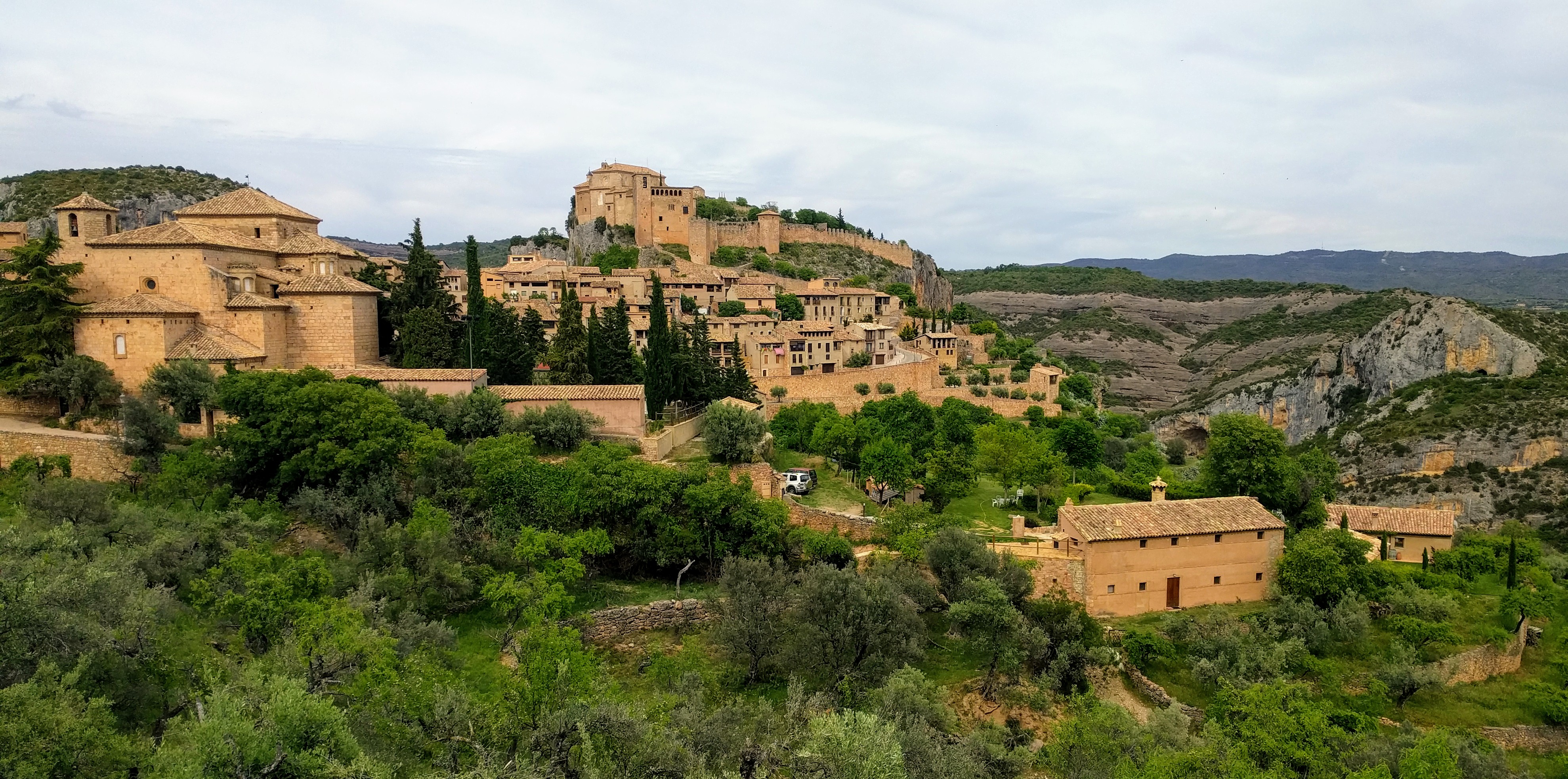
Alquézar

Somontano’s ancient Alquézar

Like most of the wine regions in Western Europe, viticulture in Somontano was probably established by the Romans, and also probable predates reliable written history, extending back to the second century BC. That it took the region until 1984 to become an officially recognized  Denominación de Origen (DO) is, in a way, indicative of the minor identity crisis that defines the modern Somontano. At a time when “uniqueness” is the marketing battle cry of most luxury fine wine regions, Somontano is the odd man out.

Of the grapes officially permitted in the DO, only three (the white Alcañón, and reds Moristel and Parraleta) are indigenous. A few others (such as Garnacha and Tempranillo) are Spanish in origin but not native to Somontano. The rest are a hodgepodge of some of the wine world’s most famous – and decidedly not Spanish – grapes: Cabernet Sauvignon, Merlot, Syrah, Pinot noir, Chardonnay, and Gewürztraminer.

What makes Somontano such an awkwardly difficult topic in marketing meetings is the same thing that makes many of its wines so good: the place has a great climate growing famous international grape varieties. As winemaker Jesús Artajona Serrano, from Enate (one of the founders of the Somontano DO) puts it, “we are in a small California…”

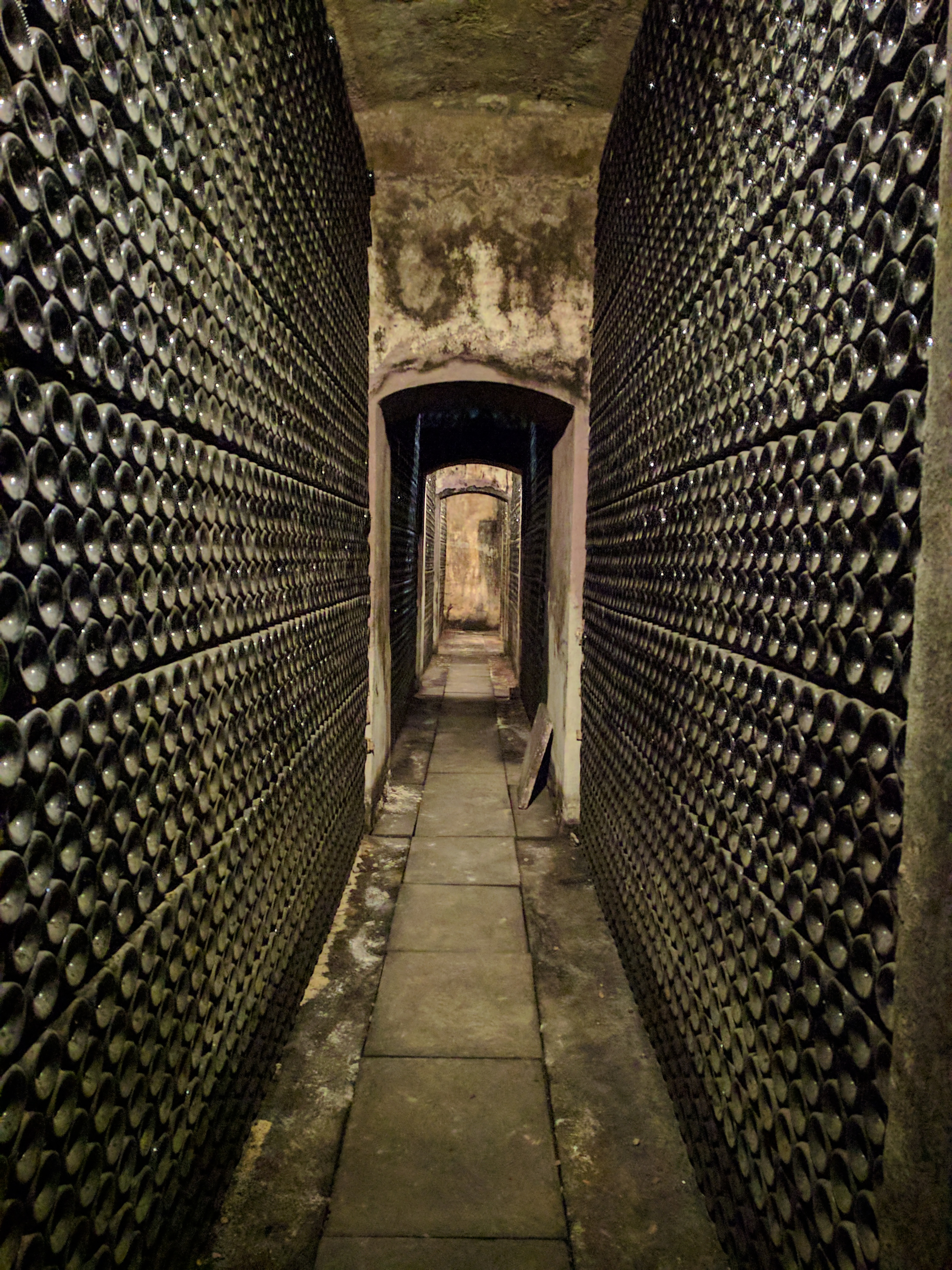
Cellars of Pirieneos

Cellars of Pirieneos

Roughly translated, Somontano means “foot of the mountains.” Protected by the Pyrenees, the area sits at the edge of the European plate, on soils that were part of an ancient ocean, topped with runoff from the nearby mountains. While the climate is mostly continental, the proximity to the mountains allows for large diurnal temperature shifts, which fine wine grapes happen to love. The Pyrenees also help to keep the area relatively dry and sunny. Bodega Pirineos winemaker Jesús Astrain Losilla summarizes Somontano’s favorable climatic situation quite eloquently: “it’s like a theatre at the foot of the mountains.”

With beautiful ancient cities such as Alquézar (which, along with nearby Barbastro, is an UNESCO World Heritage Site), and stunning natural caverns that attract canyoning aficionados and adventure seekers, Somontano wine exposure isn’t struggling in terms of the tourist perspective. Sitting on a terrace and taking in the view of Alquézar after a hike while sipping a chilled wine made from grapes that you already know has got to be one of the more pleasant things that one can do in all of Europe, after all. There’s also a popular wine, art, and music festival, held annually in August. The Somontano DO headquarters (located in a building that dates back to the sixteenth century) is renovating to keep up with the tourist demand, updating their restaurant, wine shop, tasting room, and small museum.

Modern artwork at Enate's gallery

Modern artwork at Enate’s gallery

But beyond the medieval walls and the narrow stone roads of its ancient cities, Somontano’s international wine variety focus is a much tougher sell. That the region can do so many things well is certainly its strong-suit, but that also means that its products face an inordinate amount of competition on the world’s wine shelves, even when you consider that the global wine market is arguably at the most competitive point it has ever seen in its centuries-long history. So, how did all of this happen in the first place?

During the Middle Ages, the area that would become Somontano saw a continuation in the winemaking traditions established by the Romans, in the form of Catholic monasteries that saw wine as both an essential beverage and a requirement for religious services (their influence, both ancient and modern, is on ample picturesque display in Somontano, drawing large numbers of tourists each year to sites such as the Torreciudad Shrine). But it was the nineteenth century that would set the course of Somontano’s winemaking future. In the 1800s, the early stages of the phylloxera louse epidemic (which would decimate much of the established vineyards in Europe) first swept through France. During that time, desperate wine and grape-growing businesses looked to other regions for economic salvation, leading some of them to Northern Spain. The result was an exponential increase in winemaking, sales, and exports for the Somontano area, and plantings of some of France’s most famous wine grape varieties.

That explains what grapes like Gewürztraminer are doing in Somontano. In that particular case, the variety was transplanted from Alsace, which makes sense when you think about it; the regions are relatively close to one another, and share some important climatic influences, like nearby mountain ranges. Where they differ are in things like sun exposure – there is more of that in Somontano, so its Gewürztraminer wines tend to be riper and more powerful than their Alsatian cousins. The grape has done so well here, in fact, that Somontano now has about 400 hectares of Gewürztraminer plantings.

Pirineos’ Losilla has a compelling take on both the marketing strength and challenge that Somontano faces on the international wine market: “The philosophy is diversity.” Here’s an introduction to a handful of Somontano’s most compelling examples of that diversity.

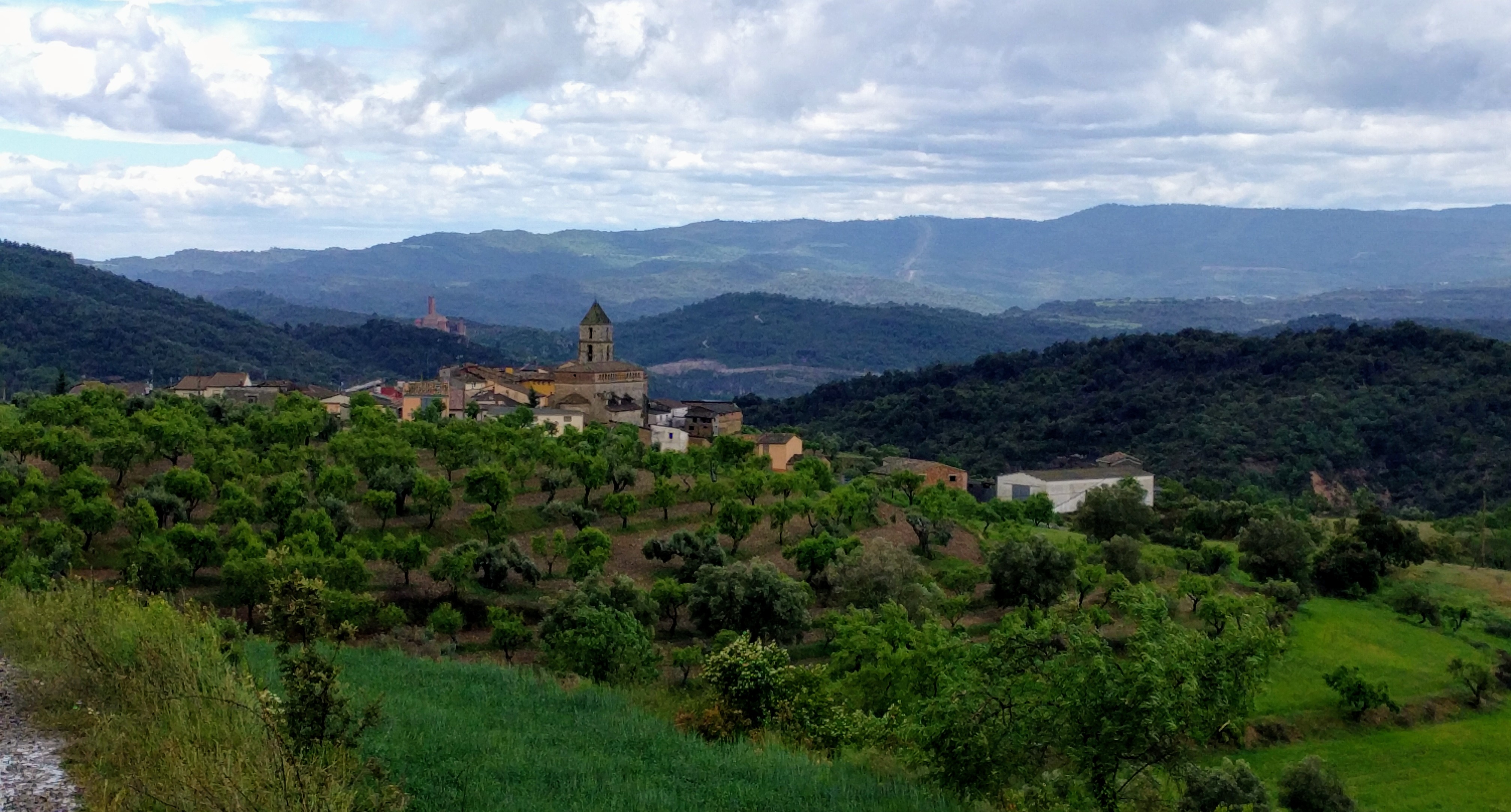
Somontano view

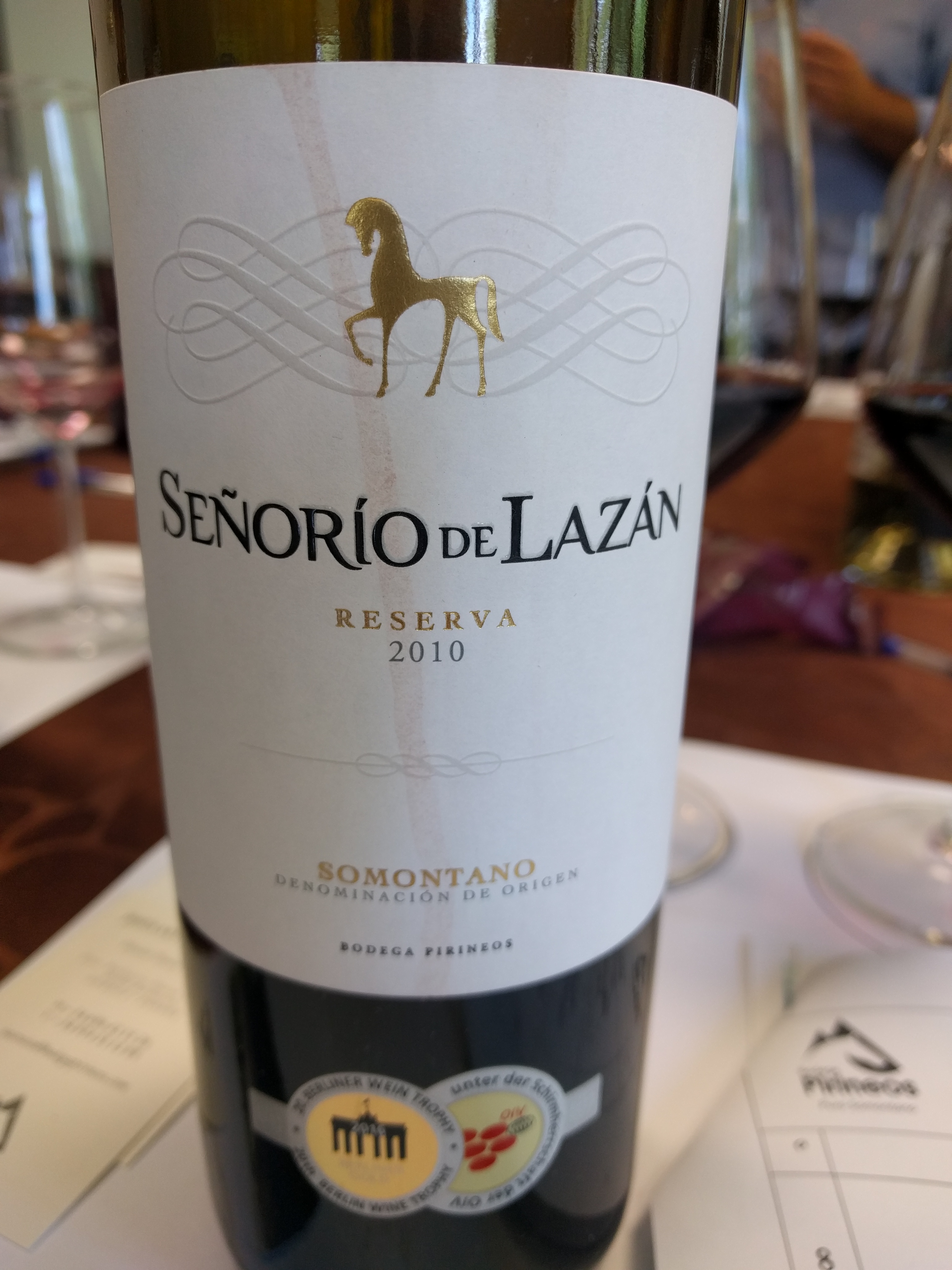
Bodega Pirieneos 2010 Señorio de Lazán Reserva

Bodega Pirieneos 2010 Señorio de Lazán ReservaPirieneos evolved from a pioneering co-operative in the region, going private in the early 1990s, and now represents about twenty-five percent of the entire Somontano DO. Most of their vineyards are dry-farmed, with naturally low grape yields that are harvested at night to protect the grapes from the heat. The name of their Reserva is a tribute to the Lazán mountain in the Sierra de la Candelera, and the former marquis who was a lord of the area. This blend also pays tribute to the triple-threat identity of Somontano, using the international Cabernet Sauvignon, Spanish Tempranillo, and local Moristel. Their Reserva might also be the forerunner of oak-aged red wines in the region. It’s floral, peppery, and generous with blackcurrant fruit flavors and notes of tobacco and coffee.


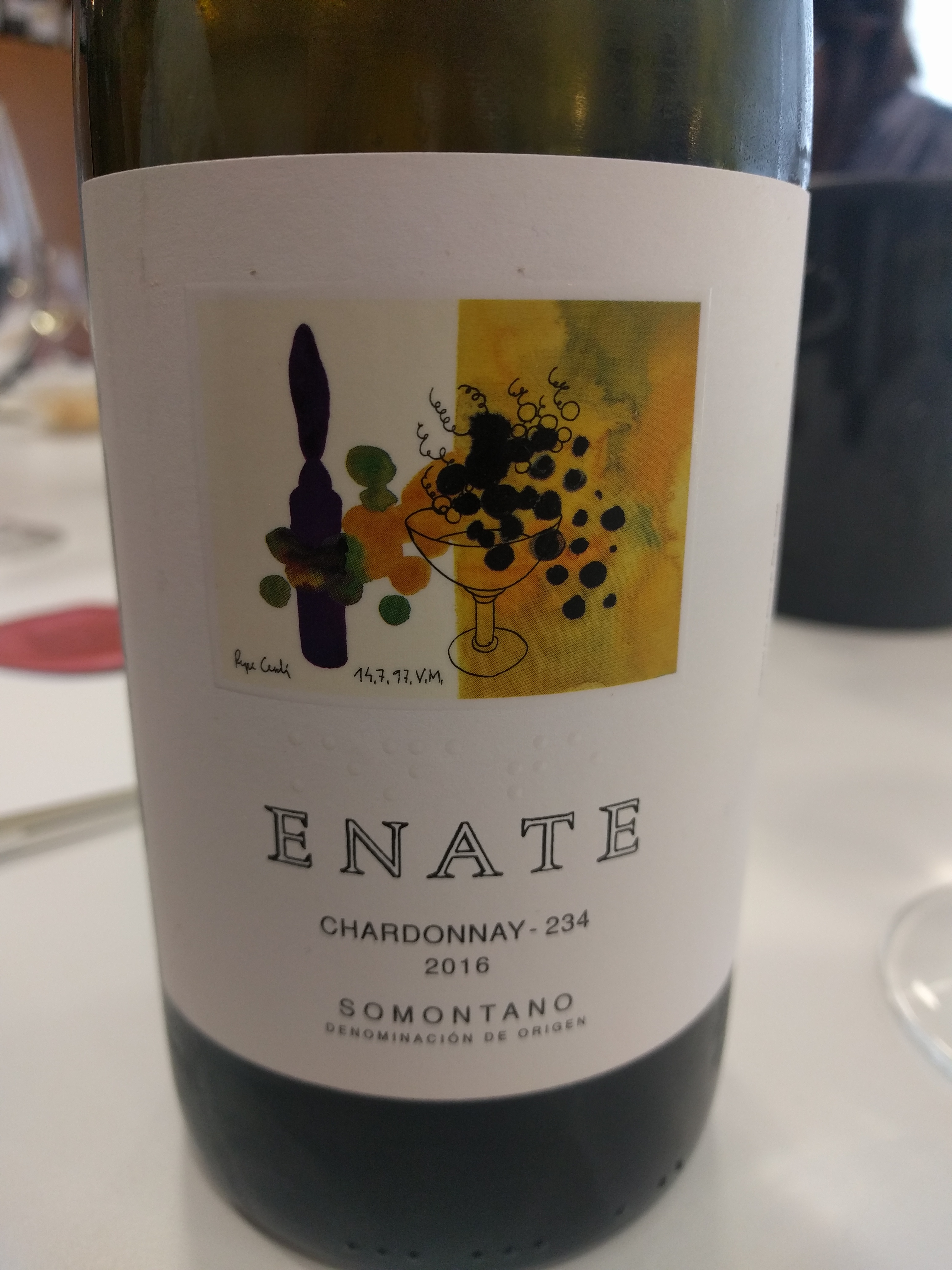
Enate 2016 Chardonnay-234

Enate, celebrating its twenty-fifth anniversary in 2017, is one of the founders of the Somontano DO, producing about 2.5 million bottles per year. The brand is probably most famous regionally for the artwork that it commissions for its labels, much of which then goes on display in its impressive museum. Its Chardonnay is lively and pretty, with aromas of white flowers, citrus, and peach, and flavors of apricots and pears. It’s pithy, persistent, and a versatile match with food.

Enate 2016 Chardonnay-234

Enate 2012 Cabernet-Cabernet

So good that they had to name it twice? Well, once could certainly make an argument for that. The idea of this wine is to blend two different styles of Cabernet Sauvignon – a leaner, serious European take and a riper, generous Mediterranean side. It works; the result is a modern, juicy, plummy red with power and structure, but also with good balance and intriguing notes of toast, dried herbs, spice, and cigar.


Batán de Salas DeBeroz 2016 Essencia de Gewürztraminer

Batán de Salas de Beroz is headed up by current Somontano DO president Mariano Beroz Bandrés. In contrast to the region’s other fine wine producers, who in many cases have either large, ultra-modern facilities or long, storied histories, Batán de Salas is  small operator, housed unassumingly in an industrial area. They have steel tanks to one side, bottle storage to the other, and barrels and concrete in between. As Beroz puts it, “we make garage wine, in a bigger garage.” Their Gewürztraminer is a textural, focused, and serious effort that belies their small size. The white has intense rose petal notes, with ample stone fruits, apples, and citrus flavors.

Batán de Salas

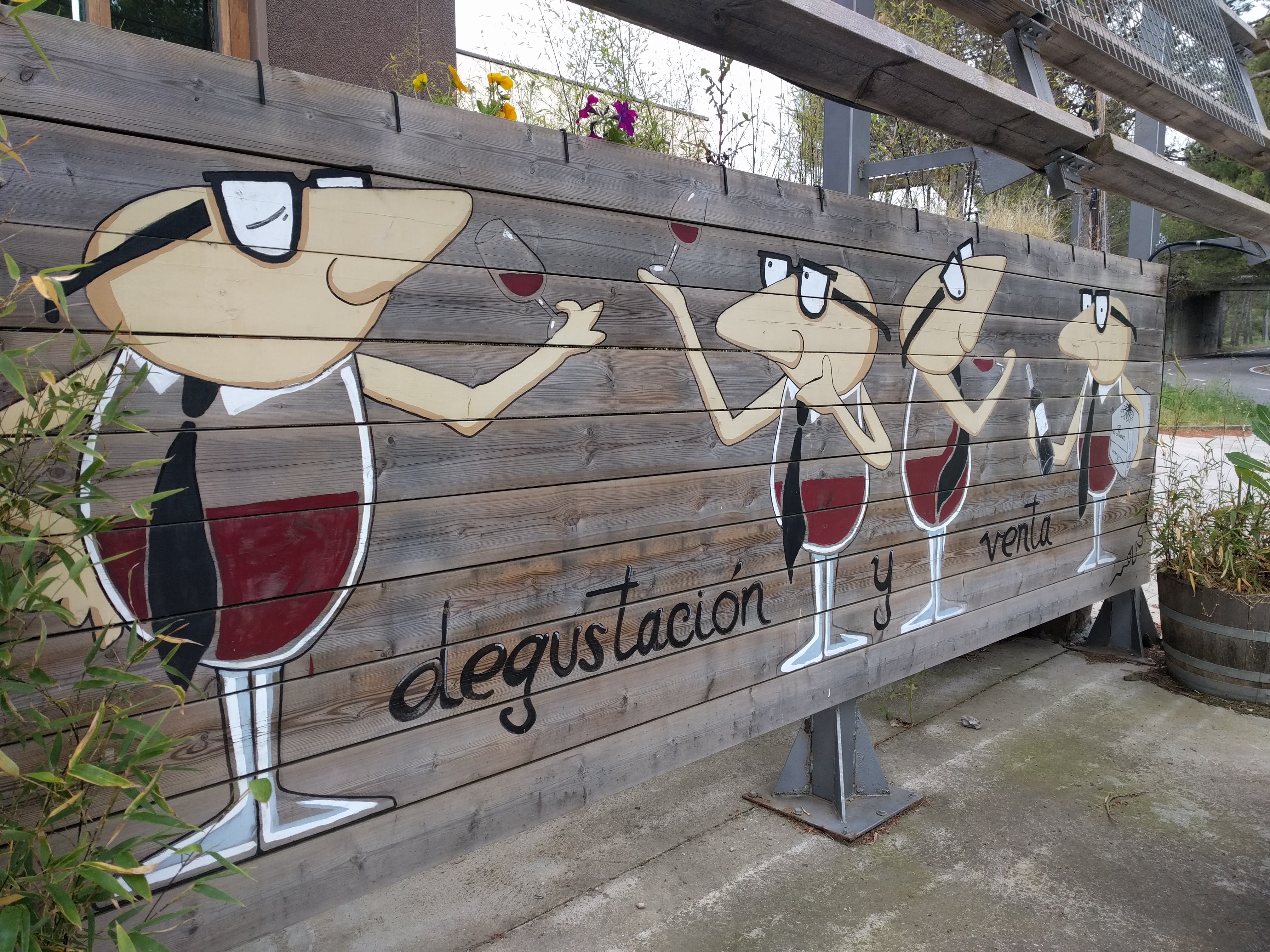
A sense of humor at Batán de Salas’ tasting room

Viñas del Vero 2014 La Miranda Secastilla Garnacha

Viñas del Vero, and its sister winery Blecua Estate, are high-end, boutique operations owned by the González Byass group, who operate over twenty wine brands worldwide. That corporate ownership seems to have little trickle-down impact on the Somontano wines overseen by the talented José Ferrer, who has a winemaking touch equally as impressive as the renovated Blecua Estate in which he works. The Secastilla red is produced primarily from old vine Garnacha planted in organic vineyards that are over 700 meters above sea level. The combination of unique site and attention to detail in the cellar results in a lovely, fleshy, refined, and complex wine. Notes of violets, black pepper, spices, and dried herbs combine with fresh blue, black, and red plum flavors, and enough structure to suggest that some cellaring patience will pay dividends later. [ Editor’s note: for more on this stellar producer, check out the feature that ran here earlier. ]

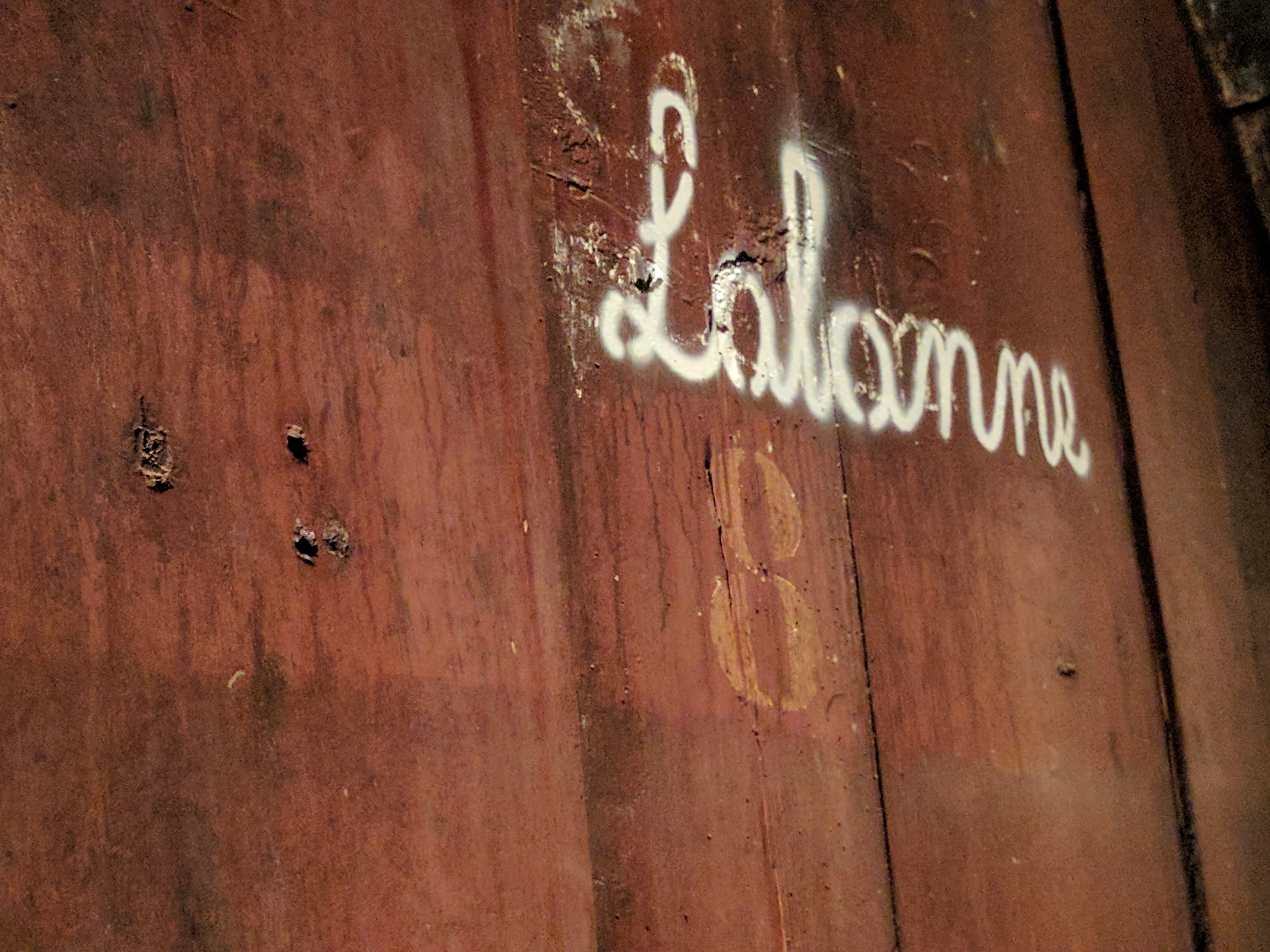
Lalanne bullet holes

Bullet holes from the Spanish Civil War are still visible on some of Lalanne’s barrels.

Lalanne 2011 Lataste Gran Vino

The history of Lalanne parallels the history of modern Somontano wine, and their roots in the area run as deep as any of the region’s oldest vines. This family-run outfit was established by an offshoot of a Bordelais family that decided to move to the area during the phylloxera epidemic in the late 1890s. The family has run a local hotel, regional trains and boats (guess what those were used to transport…), and owned a hydroelectric plant that once provided the majority of Somontano’s electricity. Not surprisingly, Lalanne is one of the oldest commercial wineries in the region, and one of the founding DO members. Some of their large oak casks still bear bullet holes from the Spanish civil war. Their Lataste (named after their founder’s wife) is an interesting example of Somontano’s potential, blending all of the DO’s red international varieties – Cabernet Sauvignon, Merlot, Syrah, and Pinot Noir (with a bit of Tempranillo, as well). Each vineyard plot is selected, fermented, and aged separately before blending. It’s an “old school” dark and earthy red, with notes of chalk, leather, prunes, and licorice.


Sommos 2016 Glárima Variatales Blanco

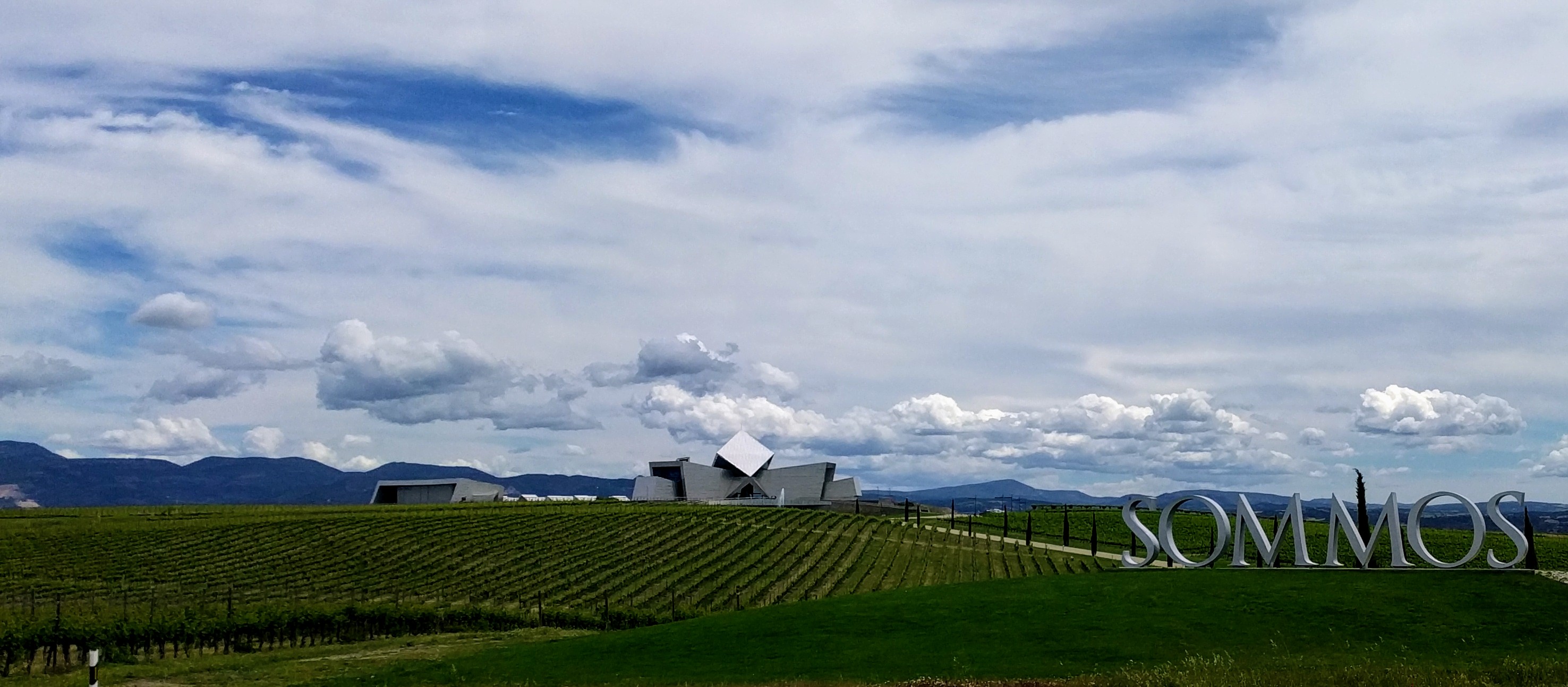
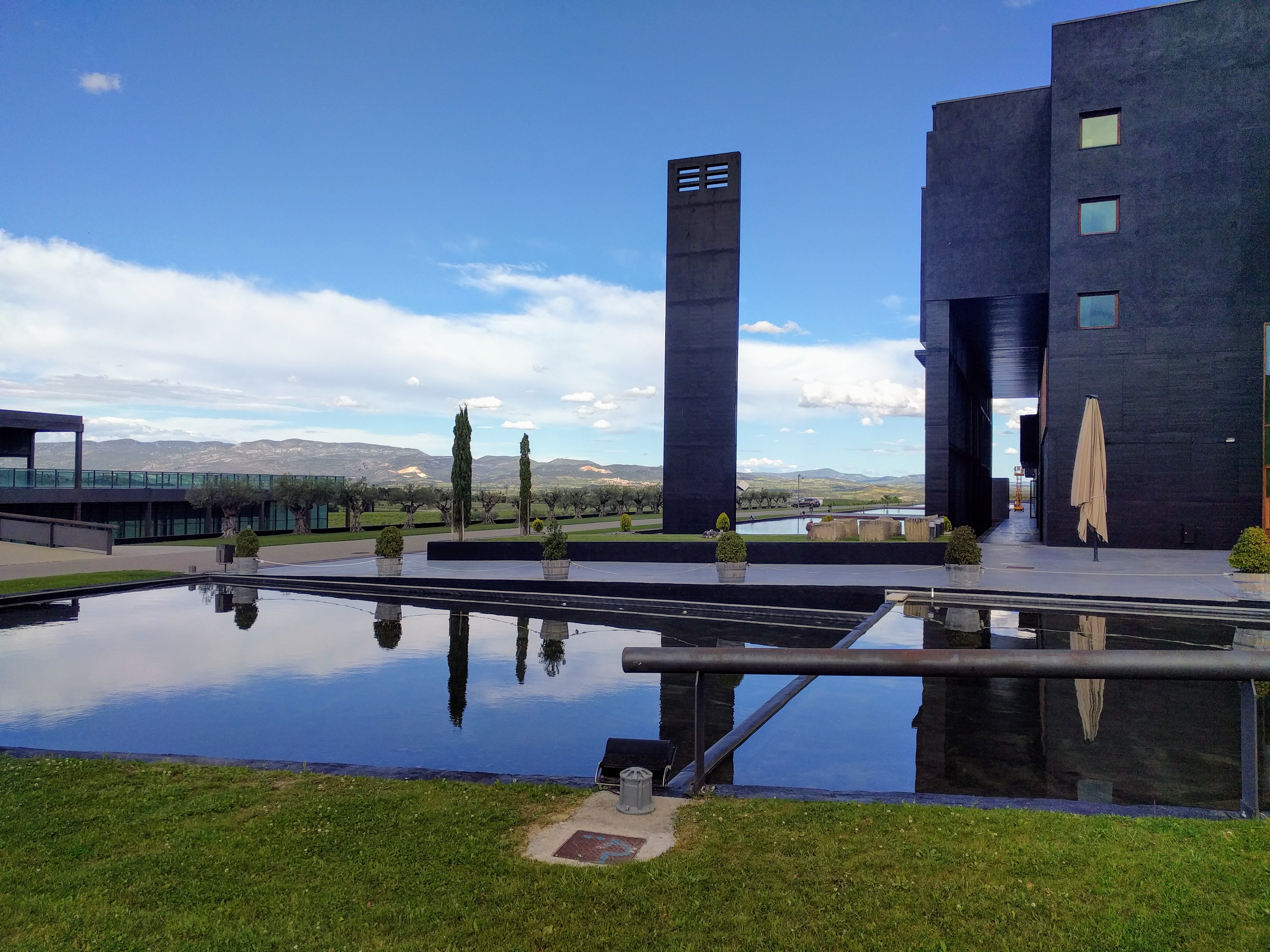
Sommos is an architectural wonder. Designed by Jesus Marino Pascual, the winery has twenty-seven meters above ground, and extends the same distance underground, as well. Its ultra-modern facade houses an antiseptically clean, mechanized, cavernous interior where just about every stage of the winemaking process is carried out by large, impressive machinery. Almost as impressive are the experimental vineyards surrounding Sommos, in which twenty different vine training systems are being used. The calling card of the winery is their Glárima white, a blend of Gewürztraminer, Chardonnay, and Pinot Noir. Aromas of hay, roses, and apples give way to pear and citrus flavors, with a texture that is both intellectual and delicious.

SOMMOS

Sommos 2014 Merlot

If you like your Merlot on the dark and toasty side, then you’ll love this red. Dark and plummy, with ample tannic structure and full body, Sommos’ Merlot is a complex beast of a wine, with aromas of oak, vanilla, tobacco, and even smoked meat.


Laus 2016 Rosado

Across the street from Somos sits Laus, a winery in transition (with redesigned labels, and a restaurant and spa in development) whose clean, stylized exterior would look ultra-modern if not for its slightly ultra-modern neighbor. The name means “grace,” and certainly its combination of 100 hectares of well-tended vineyards and calming water pools (used to help cool the winery areas underneath) will have a calming effect on just about any visitor. Winemaker Jesús Mur has crafted an instantly accessible rosé from Laus’ Syrah and Garnacha. It has a beautiful watermelon color, with strawberry flavors and a tasty, vibrant mouthfeel.

Laus

Modern styling marks the construction at Laus

Laus 2013 Tinto Crianza

A 50/50 blend of Cabernet Sauvignon and Merlot, with eight months of French oak aging, this red is a testament to the Bordeaux heritage of Somontano’s modern wine scene. Pure flavors of cassis and plum mingle with clove, violet, toast, and cigar aromas in this focused and fresh wine. If its structure is any indication, Laus have an overachiever on their hands here that will mellow out and get even more delicious with a bit of bottle aging.

Cheers!

Grab The 1WineDude.com Tasting Guide and start getting more out of every glass of wine today!

Shop Wine Products at Amazon.com

Copyright © 2016. Originally at Northern Spain’s “Small California” (Spotlight On Somontano) from 1WineDude.com - for personal, non-commercial use only. Cheers!

source http://www.1winedude.com/northern-spains-small-california-spotlight-on-somontano/